
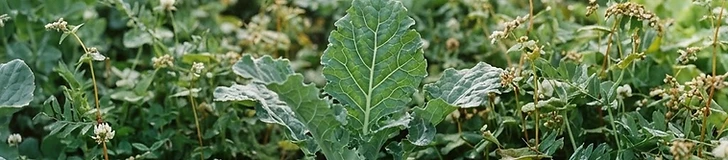
Instead of spending your weekend pulling weeds, you can let plants do the hard work for you. By using cover crops and living mulches, you create a dense canopy that shades the soil, blocking the sunlight that weed seeds need to germinate. This strategy, often called "green mulching," suppresses weeds while simultaneously building soil health for your vegetables.
Choosing Your Cover Crop
To effectively outcompete weeds, select vigorous, low-growing species that cover the soil surface quickly. In USDA zones 5 through 9, cool-season options like Trifolium repens (White Clover) are excellent because they stay low to the ground and fix nitrogen. For warmer periods, consider Fagopyrum esculentum (Buckwheat), which grows rapidly to shade out competition in as little as 30 to 45 days.
Timing and Planting
Success depends on establishing your living mulch before weed seeds sprout.
- Clear the area of existing weeds by hand or with a shallow hoe.
- Broadcast seeds evenly across the surface of the soil.
- Lightly rake them into the top 0.5 to 1 inch of soil and keep the area moist until germination.
- Once established, these plants create a permanent green carpet that requires very little maintenance.
Pro Tip: If you are planting tall crops like tomatoes, undersow them with clover once the seedlings reach 6 to 8 inches in height to prevent weeds from colonizing the base of your plants.
Managing the Green Mulch
Unlike traditional mulches that break down, living groundcovers are dynamic. If your living mulch becomes too aggressive, simply trim it back with shears to keep it below the height of your main garden crops. When you are ready to switch crops, you can use a "scythe" or weed whacker to cut the cover crop down, leaving the roots in the soil to decompose. This process leaves the earth aerated, fertile, and free from the light-starved weeds that once threatened your harvest.
Avoiding Competition
While cover crops are great for weed management, ensure they don't steal moisture from young vegetable starts. During the first few weeks of your main crop's life, keep a 6-inch circle of bare soil around each base. Once your vegetables gain size, you can allow the cover crop to grow closer to provide full ground coverage. Happy gardening as you cultivate a healthier, weed-free ecosystem.