
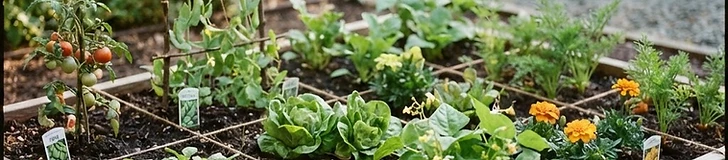
Square-foot gardening is the perfect gateway for children to learn about nature, biology, and nutrition. By breaking a garden bed into simple one-foot by one-foot squares, you provide a clear, manageable workspace that removes the intimidation of a large, messy plot. Children thrive on the visual structure of a grid, which makes counting, measuring, and planning feel more like a game than a chore.
Designing the Kid-Sized Grid
Start by creating a dedicated planting zone for the kids. Using a physical wooden grid or even simple twine, divide a 4-foot by 4-foot raised bed into 16 distinct squares. This grid helps children understand plant spacing without needing to guess. Allow each child to 'own' specific squares, giving them the agency to decide what to plant. Whether it is a single large Cucurbita pepo or nine tiny Daucus carota, the grid keeps their efforts organized and distinct.
Choosing High-Reward Crops
For young gardeners, the best plants are those that offer quick gratification. Focus on fast-growing vegetables that are colorful and fun to harvest.
- Radish: These are ready to pull in just 25 to 30 days, which is perfect for short attention spans.
- Lettuce: Kids love harvesting leaves they can eat immediately in a garden salad.
- Bush Beans: These are large, easy for small hands to plant, and yield plenty of snacks during the summer.
Pro tip: Use brightly colored wooden craft sticks as labels for each square, and have your child decorate them with waterproof markers to foster a sense of pride in their specific garden section.
Learning Through Observation
Beyond just planting, use the square-foot method to teach garden observation. Encourage your children to visit their squares daily. Help them look for new growth, check for beneficial insects like ladybugs, and learn about the importance of soil moisture. If you live in USDA zones 6 or 7, remind them that when soil temperatures reach 65°F, it is time to shift from spring greens to warm-season favorites.
The Joy of the Harvest
Make the final stage of the process a celebration. Since square-foot gardening is highly productive, you will likely have a bounty to gather often. Invite your young helpers to pick their vegetables, wash them in a garden basin, and prepare a snack. This hands-on experience connects the dots between a small, square plot of dirt and the healthy food on their dinner table.
Watching your child discover their first homegrown vegetable is the ultimate reward for any gardening parent.