
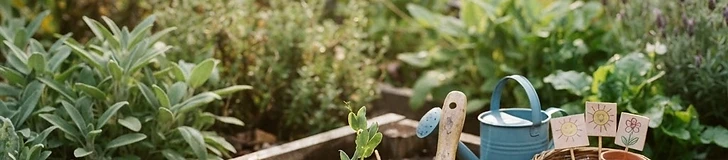
Gardening is a wonderful way to teach children about patience, science, and the joy of growing their own food. By starting with simple, tactile projects, you can foster a lifelong appreciation for nature right in your own backyard.
The Bean Teepee
Building a living fort is the ultimate garden project for kids. Using Phaseolus vulgaris (pole beans), you can create a shaded hideaway by mid-summer. Simply push 6-foot bamboo stakes into the ground in a 4-foot diameter circle, tying them together at the top. Plant two seeds at the base of each pole. As the vines climb, your children will have a secret clubhouse to enjoy during the hot months of June through August.
Sensory Herb Pots
Create a sensory garden by planting herbs that offer unique textures and smells. Let your child choose three containers, roughly 10 inches wide, and fill them with high-quality potting mix. Good choices include Mentha (mint), which smells fresh, and Stachys byzantina (lamb's ear), which feels like velvet. This helps children connect their senses to the natural world while learning how to water and maintain small containers.
Pro-tip: Always give children their own set of child-sized tools, as using adult-sized equipment can be frustrating and may lead to accidental damage to delicate seedlings.
Painted Rock Markers
Help kids feel ownership of the garden by creating custom plant markers. Use smooth river rocks and non-toxic outdoor acrylic paints to decorate stones with pictures of the vegetables you are growing. Place these at the end of each row or inside pots. This encourages younger children who cannot yet read to identify exactly where their Raphanus sativus (radishes) or Daucus carota (carrots) are growing beneath the soil.
Sun-Catching Sunflower Patch
Nothing beats the sheer scale of Helianthus annuus (sunflowers). Choose a variety that grows 5 to 8 feet tall. Mark a sunny patch in your garden that receives at least 6 to 8 hours of direct sunlight. Let your children poke holes 1 inch deep into the soil and drop the large seeds in themselves. Watching them race toward the sky helps kids understand growth cycles and the importance of regular watering as the temperatures climb above 70°F.
Gardening with children is about the process of exploration rather than the perfection of the final harvest.