
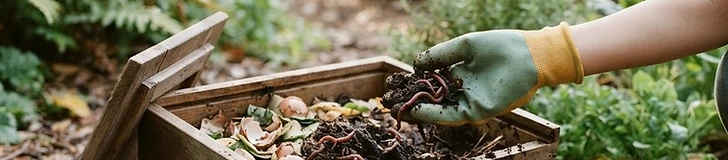
Turning food scraps into nutrient-rich soil is a magical process, and involving children in vermicomposting is the perfect way to teach them about biology and sustainability right in your kitchen or garage. By setting up a worm bin, you provide kids with a front-row seat to the cycle of life that supports every healthy garden.
Choosing Your Worms
To start, you need the right workers. The best species for the job is Eisenia fetida, commonly known as red wigglers. Unlike earthworms found deep in garden soil, these thrive in high-density conditions and love to eat decaying organic matter. You can purchase these online or from local bait shops in quantities of one pound, which is plenty for a standard-sized indoor bin.
Preparing the Habitat
Your worm bin should be a opaque plastic tote with holes drilled near the top for airflow and in the bottom for drainage. For bedding, use shredded cardboard or newspaper—no glossy magazines or plastic-coated paper. Moisten the bedding with water until it feels like a wrung-out sponge, creating the perfect damp environment for your worms to breathe and move.
Keep your worm bin in a spot that stays between 55°F and 75°F; too much heat can stress your worms, so keep them away from direct sunlight or kitchen heaters.
Feeding the Team
Feeding is where kids get involved. Add vegetable and fruit scraps like apple cores, banana peels, and carrot tops. Avoid meat, dairy, oil, or salty foods, as these can create odors and attract pests. Simply bury the scraps under an inch of bedding to keep the bin tidy and happy.
Harvesting Compost
After three to six months, you will see dark, crumbly castings at the bottom of the bin. This is premium fertilizer. To harvest, move the contents to one side of the bin, add fresh bedding to the other, and place new food there; the worms will naturally migrate, leaving the finished compost behind for you to collect and sprinkle on your houseplants or outdoor garden beds.
By checking on your worm bin once a week, you and your family will turn waste into wonder and gain a deeper appreciation for the tiny creatures that feed our soil.