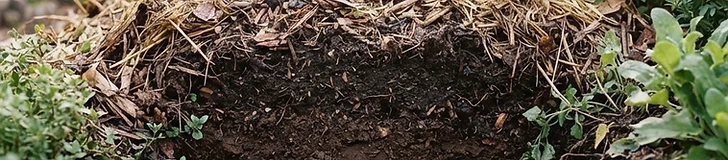
A cross-section diagram showing the layers of a hugelkultur bed starting from large logs at the bottom to topsoil, compost, and mulch at the surface.Hugelkultur & Keyhole

Layering for Success: The Anatomy of a Hugelkultur Bed

2 min read 373 words

Learn how to layer your hugelkultur bed with topsoil, compost, and mulch to build a self-sustaining ecosystem that retains moisture for years.

Building a hugelkultur bed is a rewarding way to transform woody garden debris into a nutrient-rich, self-watering raised bed. By understanding how to properly layer your materials, you can create a long-term growing environment that thrives in almost any USDA climate zone. This guide focuses on the critical upper layers that bridge the gap between decaying logs and healthy plant roots.

The Base Layer: Establishing Foundations Before adding your soil, your base must consist of woody material like logs, branches, or thick stems. These act as a reservoir for water and provide a slow-release source of nutrients. For optimal results, ensure your wood is placed in a mound about 2 to 3 feet high. As the wood decomposes, it will shrink and settle, making the upper layers essential for structural integrity.

Adding Topsoil: Filling the Voids Once your wood is in place, you need topsoil to fill the gaps between branches. This step is crucial for preventing air pockets that can cause roots to dry out. Use a high-quality, screened topsoil mixed with some native soil from your yard to encourage beneficial microbial activity. Pack the soil firmly into the crevices, aiming for a depth of at least 4 to 6 inches over your smallest twigs.

Tip: Water your mound thoroughly after adding the topsoil layer to help the dirt settle deeper into the gaps between logs, ensuring a solid base for your plants.

Enhancing with Compost Next, apply a 2 to 3-inch layer of finished compost across the entire mound. This layer provides an immediate boost of nitrogen and organic matter to support new seedlings. Since hugelkultur beds often experience nitrogen draw-down during the initial stages of wood decay, using high-quality compost helps balance the carbon-to-nitrogen ratio.

Finishing with Mulch Finally, protect your investment with a layer of mulch. Apply 2 inches of wood chips, straw, or leaf mold to help maintain soil moisture and regulate ground temperature. In hot summer months, especially in zones with temperatures exceeding 85°F, this mulch layer prevents evaporation and suppresses weeds, keeping your garden bed productive through the entire season. By following these layering techniques, you create a sponge-like environment that will nourish your vegetables for many growing seasons to come.

Watch & learn

Curated variety-trial and pest-ID videos related to this article.

Hugelkultur Raised Bed Gardening Explained

Open
#hugelkultur#soil health#raised beds#gardening basics

More in Hugelkultur & Keyhole

We use a couple of cookies to keep you signed in and remember your settings — no tracking ads, and we never sell your data. Read our privacy policy.