
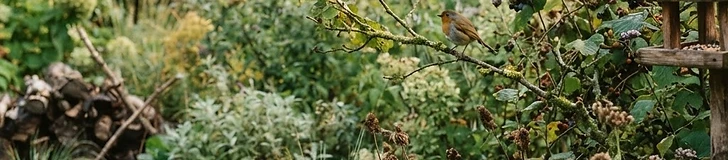
Creating a thriving ecosystem in your backyard begins by mimicking nature’s own design: the layered landscape. By providing shelter and food at multiple heights, you invite a wider range of birds, beneficial insects, and pollinators to your home garden, regardless of your USDA zone.
Understanding Vertical Structure
To increase biodiversity, think of your yard as a miniature forest. A high-functioning habitat has distinct levels: the canopy (tall trees), the understory (shrubs and small trees), the herbaceous layer (perennials and grasses), and the ground cover (leaf litter and low-growing plants). Each layer supports different species; for example, songbirds may nest in the high branches of a Cornus florida (dogwood), while ground-nesting bees and toads utilize the shaded leaf litter below.
Selecting Native Plants
Focus on native species to ensure your garden supports local wildlife effectively. Native plants have evolved alongside regional insects, making them the primary food source for local birds and butterflies. Aim to include:
- Canopy: Oaks or maples provide long-term shelter.
- Shrubs: Viburnum or Vaccinium (blueberry) offer berries and protective thorns.
- Perennials: Echinacea and Asclepias (milkweed) provide essential nectar.
Leave your garden 'messy' in the fall by keeping fallen leaves under shrubs; this creates a vital winter habitat for overwintering pollinators and foraging birds.
Managing the Ground Layer
Many gardeners prioritize lawn, but ground cover is the most overlooked layer for wildlife. Instead of constant mowing, replace sections of turf with native sedges or wildflower drifts. These plants stay within 6–12 inches of the ground, cooling the soil and providing a safe corridor for small mammals and beneficial beetles to move through your landscape.
Providing Year-Round Resources
Biodiversity depends on consistent support. Ensure your garden has a water source, such as a shallow birdbath kept above 32°F during colder months, and structure that persists through winter. Woody stems and dried seed heads are not just garden debris; they are essential winter larder for chickadees and nuthatches, and nesting materials for bees in early spring.
Start small by planting one native shrub and a cluster of perennials this weekend to begin building your living, layered sanctuary.