
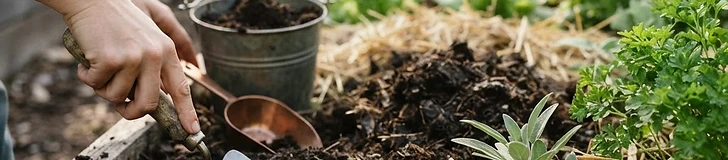
To keep your raised garden beds yielding healthy harvests, you must replenish the soil profile every season. This guide covers the essential maintenance routines needed to sustain soil fertility and minimize pest pressure in your home garden.
Amending Your Soil
After a growing season, soil structure naturally compacts and nutrients become depleted. Before your next planting, amend the bed by adding 1 to 2 inches of high-quality compost to the surface. Gently work this into the top 4 inches of soil using a garden fork without disturbing the deeper layers, which helps maintain the biological network of beneficial microbes and fungi.
Top-Dressing for Vitality
During the active growing season, top-dressing provides a steady supply of nutrients to hungry vegetables like Solanum lycopersicum (tomatoes) and Capsicum annuum (peppers). Sprinkle organic granular fertilizer or a layer of worm castings around the base of your plants. This ensures nutrients reach the roots every time you water your garden.
For the best results, always apply a 2-inch layer of organic mulch like shredded leaves or straw over your amendments to regulate soil temperature and prevent nutrient runoff during heavy summer rains.
Strategic Crop Rotation
Crop rotation is your primary defense against soil-borne diseases and pests. By moving plant families to different sections of your bed each year, you prevent pathogens from building up in one specific spot. Follow a simple four-year cycle based on plant families:
- Roots (carrots, radishes)
- Leaves (lettuce, spinach, kale)
- Fruits (tomatoes, squash, beans)
- Legumes (peas, bush beans)
Monitoring Soil Health
In the US, soil temperature significantly impacts how nutrients are absorbed. If you garden in cooler regions (USDA zones 3–6), wait until the soil reaches 60°F before transplanting sensitive seedlings. Regularly check your soil moisture levels by inserting your finger 2 inches deep; if it feels dry, it is time to hydrate. Maintaining consistent moisture is crucial for preventing blossom end rot and ensuring vigorous root development.
Taking fifteen minutes to refresh your beds at the start of each season will pay off with larger, healthier harvests all year long.