
Harvesting rainwater is a brilliant way to supplement your garden, but stagnant water requires consistent care to remain useful and safe. By mastering a few simple maintenance habits, you can keep your supply clean and prevent it from becoming a breeding ground for pests.
Sealing the System
To stop mosquitoes, you must eliminate their access to your water supply. Female mosquitoes need only a tiny amount of standing water to lay eggs, which hatch in just 7 to 10 days. Ensure every opening in your barrel, including overflow ports and intake holes, is covered with a fine-mesh screen (typically 1/16 inch). This barrier effectively prevents insects from entering while still allowing water to flow freely into the tank.
Managing Debris
Even if your gutters look clean, fine silt, pollen, and roof shingle grit will eventually settle at the bottom of your barrel. If left unchecked, this sediment can harbor bacteria and clog your spigot. Incorporate these steps into your seasonal routine:
- Install a gutter guard to reduce leaf entry.
- Use a first-flush diverter to redirect the initial few gallons of rain, which carry the most roof debris, away from your barrel.
- Manually clean the interior of your barrel at least once a year during the dormant season (late winter or early spring).
Preventing Algae Growth
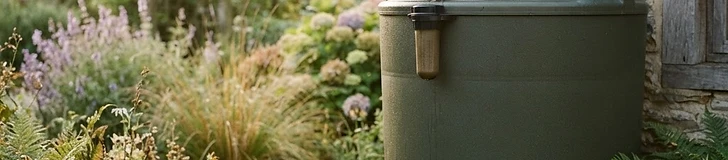
Algae thrives when nutrients meet direct sunlight. While green water isn't necessarily toxic to plants, it can clog drip irrigation lines and smell unpleasant. The best prevention is using an opaque, UV-resistant container that completely blocks sunlight.
If you notice persistent algae, add a small amount of household bleach—specifically, one-eighth teaspoon of plain, unscented bleach per gallon of water—to shock the system, but ensure you let it sit for 24 hours before using it on delicate seedlings.
Checking Your Plumbing
Regular inspections of your hoses and valves are essential, especially in regions that experience freezing temperatures below 32°F. Before winter hits, drain your barrels completely and leave the spigot open to prevent cracking. Check for leaks in the late spring as you prepare for the growing season. A tight, well-maintained system ensures that every drop you collect remains safe for your thirsty Lycopersicon esculentum or prize-winning blooms.
Consistent small actions throughout the year will ensure your garden always has a clean, reliable supply of water when you need it most.