
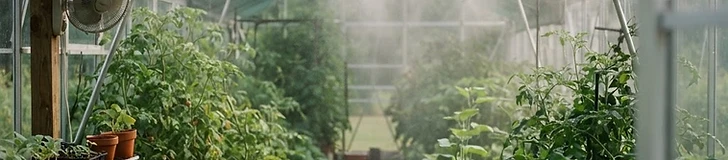
As temperatures climb during the summer months, greenhouses can quickly become too hot for sensitive vegetables, potentially reaching over 100°F. This guide will help you manage internal temperatures to protect your crops and ensure consistent growth throughout the season.
Utilize Shade Cloth
The most effective way to lower temperatures is to physically block sunlight before it penetrates the structure. Shade cloth is an essential tool for US gardeners in zones 5 through 9.
- Use a 30% to 50% density cloth for most vegetable crops.
- Install it on the exterior of the greenhouse to prevent heat buildup inside the glazing.
- Secure it firmly so high summer winds do not tear it away.
Maximize Passive Ventilation
Proper airflow is critical to preventing stagnant, trapped heat. By creating a cross-breeze, you can keep the greenhouse much closer to ambient outdoor temperatures.
- Open all roof vents fully during the day.
- Ensure side vents or doors are open to allow cool air to enter at the base.
- If your greenhouse lacks vents, consider adding a solar-powered fan near the peak to exhaust hot air.
Pro tip: Place a small thermometer at plant height rather than the ceiling to get an accurate reading of the heat your plants are actually experiencing daily.
Increase Humidity Through Misting
When the air is exceptionally dry, plants may wilt even if the soil is moist. Evaporative cooling works by increasing the humidity, which helps cool the greenhouse as the water evaporates. You can spray down the greenhouse paths or floors with a hose in the early morning to provide a temporary drop in temperature. Be careful not to wet the foliage directly, as this can encourage fungal diseases like Botrytis or powdery mildew.
Watering Strategies
During heat waves, your plants will require more frequent hydration. Check containers at least once daily, as small pots dry out rapidly in the summer heat. If you are growing Solanum lycopersicum or Capsicum annuum, ensure the root zones remain moist, but avoid waterlogging the soil. Mulching the top of your pots with straw or organic material can help retain moisture and keep roots cool during the hottest afternoons.
Consistent monitoring of your greenhouse environment during the peak of summer will turn a potentially stressful growing period into a productive harvest season.