
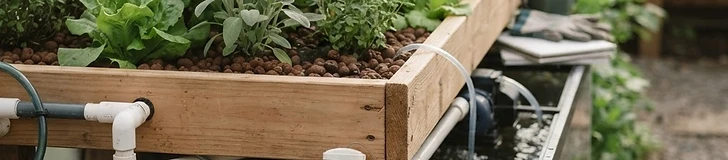
Achieving a thriving aquaponics system relies on understanding that you are managing two lives at once: your fish and your plants. By monitoring your water quality daily, you can prevent imbalances before they stress your garden ecosystem.
Monitoring pH and Ammonia
Consistent water testing is the most important habit for any backyard aquaponic gardener. You should aim for a pH level between 6.8 and 7.2. If your pH drops below 6.0, the beneficial bacteria responsible for breaking down fish waste will slow down significantly. Use a liquid test kit to monitor ammonia and nitrite levels twice a week. In a mature, cycled system, both should ideally stay at 0 ppm. If ammonia spikes, reduce feeding immediately to give your biofilter a chance to recover.
Temperature Regulation
Most common aquaponic fish, such as Tilapia or Bluegill, thrive when water temperatures are between 70°F and 80°F. If you are gardening in USDA zones where temperatures fluctuate, consider an aquarium heater for the cooler months to prevent a system crash. Fluctuating water temperatures can suppress fish appetites, which subsequently lowers the nutrient levels available to your greens.
Always dechlorinate any top-up water before adding it to your fish tank, as even small amounts of chlorine can destroy your colony of beneficial nitrifying bacteria.
Solids Management
Excess fish waste and uneaten food can accumulate at the bottom of your tank, creating harmful toxins. Solid filtration is critical to keeping the system clean. You should perform a quick visual inspection of your tank floor daily. If you see debris buildup, use a simple siphon or mesh net to remove the waste. This not only keeps the water quality high but also prevents your grow bed media from clogging over time.
Daily Observation Routine
Beyond chemical tests, your eyes are your best tool. Observe the fish for signs of stress, such as gasping at the surface or lethargic movement. Similarly, check your plants for yellowing leaves, which often signal a nitrogen deficiency or a potential pH lockout. Consistency in these small checks prevents larger system failures.
With just ten minutes of daily attention, you can keep your home system balanced and productive all season long.