
Seeing your garden greens disappear overnight is frustrating, but you can secure your harvest using simple physical and scent-based deterrents. This guide covers effective ways to discourage hungry visitors while maintaining a wildlife-friendly environment.
Physical Barriers
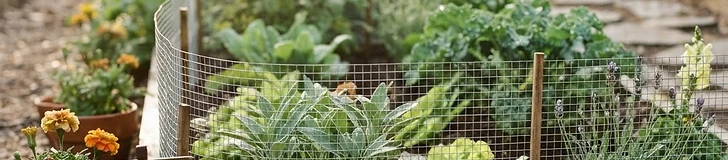
Physical fencing is the most reliable way to keep hungry pests away from your crops. For rabbits, which are notorious for nibbling young stems, use hardware cloth or chicken wire with 1-inch openings. Bury the bottom edge at least 6 inches into the soil to prevent burrowing. For deer, which are prolific jumpers, a fence needs to be at least 8 feet high to be truly effective in most US regions, or you can use two shorter, offset fences to confuse their depth perception.
Scent Deterrents
Many animals rely heavily on their sense of smell. You can exploit this by using natural repellents around the perimeter of your garden beds. Common solutions include:
- Predatory urine granules available at garden centers.
- Sprays containing garlic, peppermint oil, or putrescent egg solids.
- Hair clippings from local salons, which carry a human scent that deer often avoid.
Always reapply scent-based sprays after a heavy rainfall or every two weeks, as their effectiveness diminishes quickly when exposed to the elements.
Tactical Planting
Incorporate companion planting as a secondary layer of defense. Many mammals dislike strong-scented herbs or plants with fuzzy textures. Surrounding your more vulnerable crops, such as lettuce or peas, with plants like Allium (onions/garlic), Salvia, or Lavandula (lavender) can mask the scent of your harvest. These plants act as a natural perimeter that makes your garden less appealing to hungry foraging groups.
Habitat Management
Eliminating hiding spots is key to a secure plot. Keep your garden perimeter free of tall weeds, brush piles, or low-hanging branches where rabbits might hide during the day. Keeping the area surrounding your beds tidy reduces the feeling of safety for pests, encouraging them to seek out easier feeding grounds elsewhere. Regularly monitoring your garden in the early morning helps you identify which specific critters are causing trouble so you can adjust your strategy accordingly.
Consistent monitoring and quick adjustments are the most effective ways to ensure your plants thrive until harvest day.