
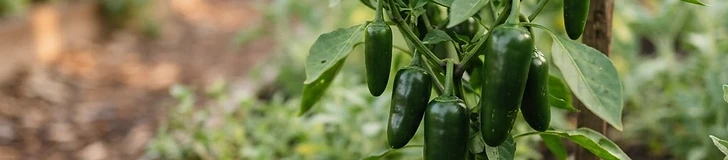
Jalapeños are among the most rewarding crops for home gardeners. By following a few key steps, you can enjoy a continuous supply of fresh, homegrown peppers throughout the summer season.
Starting Your Seeds Growing jalapeños (Capsicum annuum) requires a head start. In most US zones, begin indoors 8–10 weeks before your last frost date.
- Use a seed-starting mix in trays with drainage holes.
- Keep soil temperatures between 75°F and 85°F to ensure germination.
- Once sprouts appear, place them under bright light for 14–16 hours daily to prevent leggy growth.
Preparing the Garden Peppers crave heat and consistent nutrition. Wait until night temperatures stay reliably above 60°F before transplanting outdoors.
- Choose a spot with at least 8 hours of full sun.
- Work 2–3 inches of compost into the top 6 inches of soil.
- Space plants 18–24 inches apart to allow for airflow and reduce disease risk.
To encourage stronger stems and better root establishment, bury your transplant up to the first set of true leaves, much like you would with tomatoes.
Care and Watering Consistent moisture is vital for fruit quality. If plants dry out too much, peppers can become tough or develop "corking" (the white striations on the skin).
- Mulch with 2 inches of straw or pine needles to retain soil moisture.
- Water deeply at the base of the plant, aiming for 1 inch of water per week.
- Avoid overhead watering to keep foliage dry and prevent fungal issues.
Managing the Harvest Most jalapeño varieties reach harvest maturity 70–80 days after transplanting.
- Harvest frequently to keep the plant productive.
- Use sharp garden shears to snip stems rather than pulling, which can damage brittle branches.
- Pick them while they are firm and dark green for standard flavor, or wait for them to turn bright red for a sweeter, spicier experience. With proper care and a sunny spot, your jalapeño plants will provide an abundant harvest well into the autumn months.