
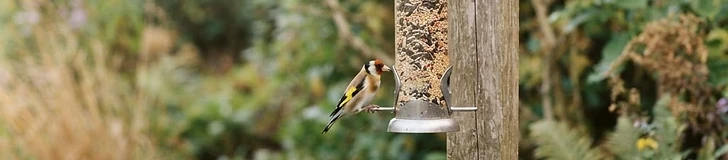
Welcoming wild birds into your garden is one of the most rewarding ways to connect with nature. By choosing the right feeders and maintaining them properly, you can transform your backyard into a reliable refuge for local songbirds while keeping them safe from common hazards.
Selecting the Right Feeder
Choosing the correct feeder type depends on the species you want to attract. Tube feeders are excellent for small birds like Poecile atricapillus (Black-capped Chickadee), while hopper feeders accommodate larger birds like cardinals. For ground-feeding species such as Zenaida macroura (Mourning Dove), a low platform tray is ideal. Always look for feeders made of durable, easy-to-clean materials like powder-coated metal or UV-stabilized plastic to withstand the fluctuating temperatures of most USDA growing zones.
Strategic Placement
The placement of your feeders is critical for predator prevention. Position your feeders roughly 5 to 10 feet away from dense shrubs or trees to provide birds with an escape route from hawks or neighborhood cats. If you live in an area with squirrels, mount feeders on a smooth metal pole at least 5 feet off the ground and consider adding a baffle to prevent access. Placing feeders at varying heights creates a welcoming multi-level sanctuary for diverse species.
Keep your feeders near a water source, like a shallow birdbath, to encourage birds to stay longer and maintain healthy hydration during hot summer months above 80°F.
Prioritizing Bird Hygiene
Regular maintenance is the most important step in protecting avian health. Dirty feeders can harbor pathogens like Salmonella. Follow these steps to keep your station pristine:
- Clean feeders at least every two weeks using a solution of one part bleach to nine parts water.
- Scrub away any caked-on seeds or droppings, which can trap moisture and mold.
- Allow all components to dry completely in the sun before refilling to prevent bacteria growth.
Avoiding Contamination
Never use feeders with sharp edges that can damage bird beaks. Additionally, always store your birdseed in a cool, dry, and airtight container to prevent mold and pest infestation. If you notice a sick or lethargic bird, take down all feeders immediately for at least one week to stop the spread of potential diseases, giving your local bird population time to recover.