
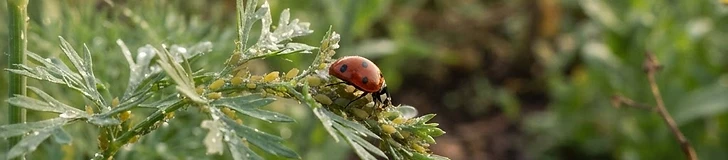
Nature provides a built-in defense system against common garden pests. By cultivating a landscape that supports predatory insects, you can reduce your reliance on chemical sprays and let nature handle the heavy lifting for you.
The Role of Beneficial Insects
Predatory insects are the unsung heroes of a healthy garden. Instead of eating your lettuce or tomatoes, species like lady beetles (ladybugs), lacewings, and hoverflies actively hunt pests like aphids, mealybugs, and spider mites. A single ladybug larva can consume over 50 aphids in a single day, making them far more efficient than any store-bought soap or oil spray.
Planting for Predators
To keep these hunters around, you must provide a consistent food source. While many adults hunt, they often require nectar and pollen during different life stages.
- Plant flowers with small, accessible blooms like sweet alyssum, dill, fennel, and yarrow.
- Aim for a succession of blooms from early spring until the first frost in your USDA zone to ensure predators have a constant food supply.
- Incorporate native perennial plants, which are often the preferred hosts for beneficial larvae.
Pro Tip: Avoid using broad-spectrum insecticides, even organic ones like neem oil, as they kill beneficial insects just as quickly as they kill pests; instead, spot-treat only the heavily infested plants.
Providing Habitat and Shelter
Beyond food, predators need safety from extreme weather and larger predators. Integrated habitat involves leaving small patches of your garden a bit 'messy.'
- Leave a few square feet of soil undisturbed for ground-dwelling beetles.
- Add a small 'insect hotel' or simply keep a pile of twigs or dry leaves in a back corner to provide overwintering sites.
- Maintain a consistent water source, like a shallow birdbath filled with pebbles, so insects can hydrate without drowning.
Monitoring Your Success
Once you establish a hospitable environment, take time to observe. You might see syrphid fly larvae, which look like tiny caterpillars, crawling along stems and clearing them of aphids. When you spot these allies, you know your garden's internal balance is shifting toward a healthier, more productive state.
Start small by adding just two or three native flowering species to your beds this season and watch as the balance shifts in your favor.