
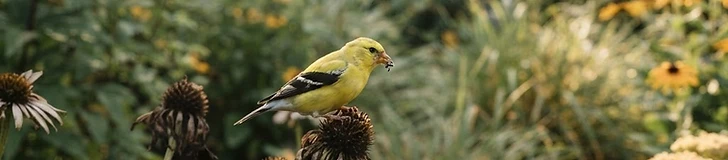
Creating a vibrant bird garden requires more than just a feeder; it involves providing a sustainable habitat. By selecting native plants, you offer natural food sources like seeds, berries, and insects that local birds rely on to thrive. This guide will help you select the best species for your region to turn your backyard into a bustling avian oasis.
Choosing Native Powerhouses
Native plants are perfectly adapted to your local climate and soil, making them easier to maintain than exotic species. Focus on plants that provide resources in different seasons. For example, Echinacea purpurea (Purple Coneflower) provides essential seeds in the late summer and fall, while Ilex opaca (American Holly) offers crucial berries during the harsh winter months in USDA zones 5 through 9.
Providing Shelter and Nesting Sites
Birds need safety from predators and shelter from extreme weather. Dense shrubs and conifers are ideal for protection.
- Juniperus virginiana (Eastern Red Cedar) offers excellent year-round cover for small birds.
- Viburnum dentatum (Arrowwood Viburnum) provides secure nesting spots in the spring and dense foliage during the summer.
- Aim to provide at least 10 to 15 feet of vertical layering, from ground covers to tall trees, to mimic a natural forest edge.
Pro tip: Avoid using chemical pesticides in your garden; birds rely on a steady supply of caterpillars and insects to feed their hungry fledglings during the nesting season.
Adding Water Sources
Beyond food, water is the most important element for a bird-friendly garden. A simple birdbath kept at a depth of 1 to 2 inches is sufficient.
- Clean your birdbath weekly with a stiff brush to prevent algae growth.
- In areas where winter temperatures drop below 32°F, consider adding a heated birdbath or an immersion heater to ensure water remains liquid for thirsty birds.
- Place the bath near a small shrub to give birds an immediate place to perch if they feel startled.
Garden Maintenance for Birds
Resist the urge to over-clean your garden in the fall. Leaving spent flower heads and leaf litter provides natural foraging grounds and overwintering habitats for beneficial insects that birds love. Start small this season by adding one native shrub and a reliable water source to see an immediate increase in activity.