
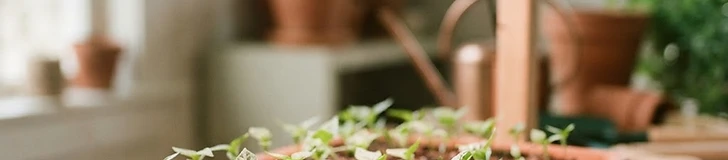
Starting peppers (Capsicum annuum and others) from seed requires patience, as these tropical plants demand precise conditions to thrive. By managing heat and light intensity early, you ensure your seedlings develop into strong, productive plants ready for your USDA zone transplant date. Learn how to create the ideal indoor environment for your pepper starts.
The Importance of Soil Heat Peppers are strictly warm-weather crops that germinate best in consistently warm soil. While room temperature may feel comfortable to you, it is often too chilly for optimal pepper germination.
- Aim for a soil temperature between 80°F and 85°F.
- Use a dedicated heat mat placed under your seed tray to maintain this range.
- Cover your tray with a plastic dome to trap moisture and hold heat until the first green shoots appear. Without this added warmth, seeds may linger in the soil for weeks or fail to sprout entirely.
Light Requirements for Robust Starts Once your seeds have germinated, light becomes your most critical tool. Pepper seedlings are notorious for becoming "leggy"—stretching thin and weak—if they do not receive enough intensity.
- Position shop lights or full-spectrum LED grow lights 2 to 3 inches above the top of the seedlings.
- Keep lights on for 14 to 16 hours daily to simulate the long summer days peppers crave.
- Adjust the height of your lights weekly as the plants grow, maintaining that tight, 3-inch gap to promote stocky, healthy stems.
Always use a digital probe thermometer to check the soil temperature on your heat mat, as thermostats can occasionally drift and overheat your delicate seeds.