
In this guide, you will learn how to identify common fungal pathogens that affect peppers and discover effective, organic methods to protect your plants during the humid summer months. Fungal infections thrive in warm, damp conditions, so acting quickly is essential for garden health.
Identifying Anthracnose
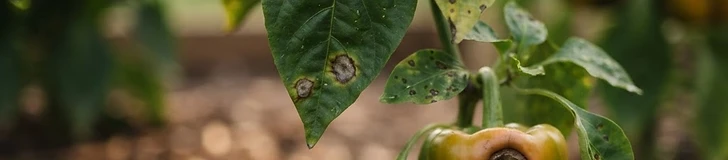
Anthracnose is a destructive fungal disease that primarily targets ripening fruit. You will first notice small, sunken, water-soaked lesions on your pepper skins. As the fungus spreads, these spots darken and may develop tiny black dots in the center. In USDA zones 6 through 9, high humidity and temperatures between 70°F and 85°F create the perfect storm for this pathogen to spread via splashing water.
Recognizing Bacterial and Fungal Leaf Spots
Beyond the fruit, foliage often falls victim to Cercospora leaf spot or bacterial spot. Symptoms include small, circular brown spots with lighter-colored centers appearing on the lower leaves. If left untreated, the leaves will turn yellow and drop prematurely, leaving your peppers exposed to sunscald and weakening the plant's ability to produce a full harvest.
Practical Prevention Strategies
To stop the cycle of infection, you must prioritize airflow and hygiene:
- Water at the base of the plant using drip irrigation to avoid splashing soil-borne spores onto leaves.
- Apply 2 to 3 inches of straw or pine bark mulch to create a barrier between the soil and your plant’s lower foliage.
- Space plants at least 18 to 24 inches apart to ensure consistent air circulation.
- Remove and dispose of infected leaves or fruit in the trash, not the compost pile.
Always prune the bottom 6 inches of foliage on your pepper plants to improve air circulation and prevent soil-borne pathogens from splashing onto the lower leaves during rain showers.
Effective Treatment Options
If you spot active infections, reach for organic solutions. Copper-based fungicides are highly effective against a wide range of fungal and bacterial issues. Apply these treatments early in the morning on a calm day, following the label instructions for dilution rates. For mild cases, a solution of horticultural oil or neem oil can help slow the spread by coating the surface of the leaves.
Early detection and consistent garden sanitation are your best defenses for maintaining a productive, disease-free pepper patch all season long.