
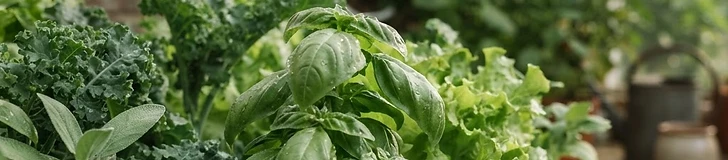
Diving into hydroponics can feel like stepping into a science experiment, but at its heart, it is simply about giving your plants exactly what they need to thrive without the complexity of soil. For beginner gardeners in the United States, starting with leafy greens and herbs is the most rewarding way to build confidence. These crops have shallow root systems and fast growth cycles, making them perfectly suited for the controlled, water-based environments of deep water culture, nutrient film technique, or simple Kratky systems.
The Anatomy of an Ideal Hydroponic Crop
When you stop using soil, you remove the natural buffer that holds moisture and nutrients. Plants that thrive in these systems are typically those that grow fast and have manageable root structures. Leafy greens are the champions of hydroponics because they do not need to flower or produce fruit to be delicious. Herbs are equally fantastic because they are usually harvested incrementally. Both categories respond beautifully to stable nutrient solutions kept at 65°F to 72°F, which is a comfortable range for most home indoor environments.
Top Tier Greens: Lettuce and Spinach
Lettuce is the undisputed king of indoor hydroponics. It is forgiving, fast-growing, and comes in a massive variety of shapes and textures. Butterhead or Bibb varieties are particularly well-suited for indoor systems because they stay compact and don't require the intense light that larger head lettuces might demand. Spinach, on the other hand, is a bit more temperature-sensitive. It prefers the cooler end of the spectrum, around 65°F. If you have an indoor space that stays reasonably cool, spinach will reward you with tender leaves that grow significantly faster than those planted in a traditional garden bed.
Herb Choices for Flavor and Growth
Basil is the quintessential hydroponic herb. It grows like a weed in water, loves warm temperatures, and can be harvested every single week if you prune it correctly. If you start with a few basil plants, you will likely have more pesto ingredients than you can consume. Mint and cilantro are also excellent, though they have different habits. Mint is incredibly aggressive and will quickly fill up any reservoir, so ensure you give it space. Cilantro is a cooler-weather lover and tends to 'bolt' or go to seed quickly if it gets too warm, so keep your lights a bit further away or ensure your ambient air temperature stays near 68°F.
Practical Tips for Selecting Varieties
- Focus on 'Bolt-Resistant' seed varieties to ensure your greens stay sweet even if your grow room gets warm during the day.
- Choose compact 'dwarf' or 'container' varieties of herbs to prevent them from outgrowing your lighting setup too quickly.
- Always check the seed packet for the 'days to maturity'—shorter cycles mean more frequent harvests and fewer chances for nutrient imbalances to accumulate.
- Maintain your pH between 5.5 and 6.5 to ensure that the greens and herbs can effectively uptake the nutrients from your water.
- Start with pelleted seeds if possible, as they are easier to handle when placing them into germination sponges or rockwool cubes.
Avoiding Potential Pitfalls
While leafy greens and herbs are easy, they are not immune to issues. The biggest mistake beginners make is overcrowding. It is tempting to fill every single net pot in your system, but these plants need airflow. As they mature, their leaves will expand and create a humid microclimate. If they are packed too tightly, you invite powdery mildew and rot. Aim for at least 6 to 8 inches of space between plants like basil or large head lettuce to ensure they have room to breathe. Additionally, be mindful of your lighting cycle. Most greens require 12 to 16 hours of light per day. Leaving lights on 24/7 may seem like it will make them grow faster, but plants need a rest period to perform essential metabolic processes that actually drive growth.
Quick takeaway
Prioritize lettuce and basil to guarantee a successful first hydroponic crop by focusing on proper spacing and consistent water temperature.