

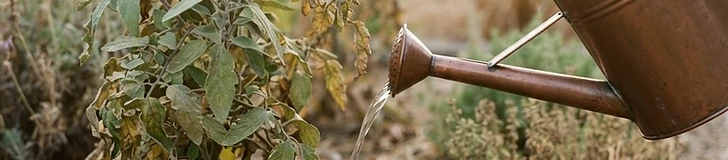
When summer heat settles in and the sky remains stubbornly clear, your garden's water needs change dramatically. High temperatures and prolonged dry spells do more than just stress your plants; they alter the chemistry of your soil and the efficiency of your irrigation. Instead of panicked, daily light sprinkling, which can do more harm than good, successful home gardeners employ a strategic approach that prioritizes deep moisture retention and plant resilience. By understanding how evaporation rates, soil types, and plant physiology react to extreme heat, you can shepherd your garden through the driest months without wasting a single drop of water.
The Problem With Frequent, Shallow Watering
Many gardeners fall into the habit of giving their plants a quick, daily splash of water during a heat wave. This is often counterproductive. When you water lightly, the moisture barely penetrates the top inch of the soil, where it evaporates almost instantly in 90°F+ temperatures. Furthermore, this practice encourages roots to stay near the surface in search of that surface moisture, leaving them highly vulnerable to scorched soil. Deep, infrequent watering is the standard for a reason. By saturating the root zone thoroughly, you force roots to grow downward, where the soil stays naturally cooler and more buffered against surface heat fluctuations. During a drought, aim to soak the soil to a depth of at least six inches. You can check this easily by inserting a long screwdriver into the ground; if it meets resistance, the water hasn't gone deep enough.
Timing Is Everything: The Early Morning Advantage
During a heat wave, your window for effective watering is extremely narrow. Watering during the mid-day sun is inefficient, as a significant portion of the water will evaporate before it ever hits the root zone. Watering late in the evening can also be problematic in humid climates, as wet foliage that sits overnight becomes a magnet for fungal diseases and mildews. The golden hour for summer irrigation is between 5:00 AM and 8:00 AM. In the early morning, the soil temperature is at its lowest, and the air is still. This allows the water to percolate down through the soil profile effectively without fighting the rapid evaporation rates of the afternoon. If you have a drip irrigation system, utilize an automated timer to ensure this early morning schedule is maintained consistently, even when you aren't around.
Mulch: The Garden's Natural Air Conditioner
If you take only one action during a drought, apply mulch. A three-inch layer of organic mulch—such as shredded bark, straw, or wood chips—acts as an essential barrier between the sun and your soil. It effectively shades the soil surface, reducing soil temperatures by as much as 10 to 15 degrees in some cases. This reduction in heat drastically slows the rate of evaporation, keeping moisture available to your plants for much longer. Additionally, as high-quality organic mulch breaks down over time, it improves soil structure, allowing the earth to hold more water like a sponge. Keep mulch a few inches away from the base of the stems or trunks to prevent rot and pest issues, but blanket the rest of your garden beds thoroughly.
Identifying Stress Before It Is Too Late
Plants are excellent at communicating their hydration levels if you know what to look for. During extreme heat, it is normal for some broad-leafed plants to wilt slightly in the afternoon as a defense mechanism to reduce transpiration. If they perk back up by sunset, they are likely just managing the temperature. However, if the plant remains wilted in the early morning, it is officially in distress and requires immediate attention. Look for signs like graying leaf edges, leaf curling, or a distinct loss of turgor in the stems. For potted plants, the "heft test" is the most reliable method: lift the pot. If it feels remarkably light, it is bone dry and needs a deep soak. Remember that containers lose water much faster than in-ground beds and may require twice-daily checks during a heat wave.
Practical Tips for Heat Wave Survival
- Group plants with similar water needs together to simplify your irrigation zone management.
- Use shade cloth (30% to 50% density) over heat-sensitive crops like lettuce, spinach, or young peppers to lower leaf temperatures.
- Avoid fertilizing during a heat wave; forcing growth when a plant is already struggling to maintain its water balance puts undue stress on the system.
- Weed aggressively, as weeds act as "water thieves" by competing directly with your flowers and vegetables for precious soil moisture.
- Collect and recycle water from indoor tasks, like rinsing vegetables in a colander, to use on your most drought-stressed containers.
- If you must water manually, aim the hose or wand at the soil, not the leaves; water on leaves acts as a lens for the sun and encourages disease.