
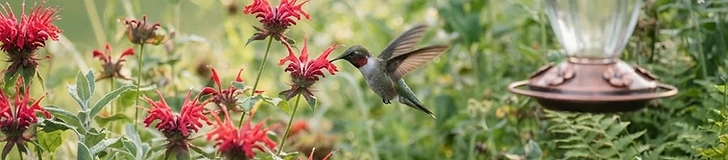
Transforming your garden into a hummingbird sanctuary is one of the most rewarding projects for any gardener. By combining high-energy nectar sources with safe, consistent feeding stations, you can draw these fascinating pollinators to your yard throughout the growing season.
Choose Nectar-Rich Plants
Hummingbirds are naturally drawn to tubular flowers, which act as perfect reservoirs for the high-calorie nectar they need. Focus on native plants that thrive in your USDA hardiness zone to ensure consistent blooms. Top choices for North American gardens include:
- Salvia (Sage): Offers long-lasting color and deep tubes.
- Monarda (Bee Balm): A favorite that performs well in moist soil.
- Lonicera sempervirens (Coral Honeysuckle): A vigorous, non-invasive native vine.
- Aquilegia (Columbine): Excellent for early-season feeding in temperate zones.
Strategic Feeder Placement
While flowers are crucial, a clean feeder provides a reliable energy source during dry spells. Position your feeders at least 5 feet off the ground to keep them safe from ground predators. If you live in areas where temperatures regularly exceed 85°F, ensure the feeder is hung in a partially shaded spot to prevent the sugar water from fermenting quickly.
Pro Tip: Always mix your own nectar using a ratio of 4 parts water to 1 part plain white sugar; never add red dye, as it can be harmful to these tiny birds.
Maintenance and Hygiene
Keeping your feeders pristine is the most important step in preventing disease. Hummingbirds are sensitive to mold and spoiled nectar. Follow these simple steps for a healthy environment:
- Clean feeders every 3 to 5 days, or more frequently during hot weather.
- Use a soft brush to scrub away any residue without using harsh chemicals.
- Rinse thoroughly with hot water to ensure no soap film remains.
Adding Water and Perches
Beyond food, hummingbirds need access to water and rest. They rarely use traditional birdbaths because they prefer to fly through fine mists. A garden mister attached to a hose can attract them instantly. Additionally, keep a few dead branches or small twigs nearby; hummingbirds spend up to 80% of their day perched to conserve energy and scout for insects.
Start small by adding two native perennials and one clean feeder to your porch, and you will be amazed at how quickly these garden gems arrive.