
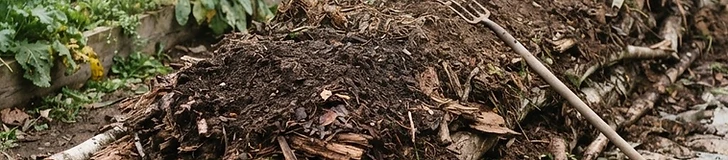
Hugelkultur is a centuries-old gardening method that involves building raised beds over a foundation of decaying wood. By burying logs and branches, you create a long-term moisture reservoir and a slow-release fertility system that can sustain your plants for years without extra input. This technique is perfect for USDA zones 3 through 9, as it helps manage both drainage and soil temperature.
The Core Concept of Hugelkultur The basic idea is simple: as wood breaks down, it acts like a sponge, holding water deep in the soil profile. This reduces the need for frequent irrigation during hot summer months when temperatures hit 85°F and above. Furthermore, the decomposition process generates a small amount of internal heat, which can slightly extend your growing season in cooler climates.
How to Build Your Bed 1. Choose a sunny site and clear the grass.
- Arrange large, rot-resistant logs—like Juniperus (cedar) or Quercus (oak)—at the bottom.
- Layer smaller branches and twigs over the logs to fill gaps.
- Add a layer of nitrogen-rich material, such as grass clippings or green manure.
- Cap the structure with at least 8 to 12 inches of high-quality compost and topsoil.
Tip: Avoid using wood from black walnut or eucalyptus trees, as these contain natural chemicals that can inhibit the growth of many common garden vegetables.