
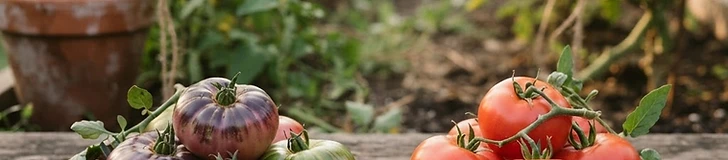
Choosing between heirloom and hybrid tomatoes is the first step in planning a successful season. This guide explains how these two categories differ so you can select the right plants for your garden beds.
Understanding Heirlooms Heirlooms are open-pollinated varieties passed down through generations, typically for at least 50 years. They are prized for their complex, intense flavors and unique colors. Because they are open-pollinated, you can collect seeds from a ripe fruit and expect the offspring to grow true to the parent. However, they often lack disease resistance and may have shorter shelf lives, requiring careful attention to soil health in USDA zones 3–10.
The Strength of Hybrids Hybrids are created by intentionally cross-pollinating two different varieties to produce offspring with specific desirable traits. Breeders focus on characteristics like uniform size, high yield, and resistance to common garden diseases such as Verticillium wilt. They are often more reliable for beginner gardeners who want a consistent harvest throughout the summer months.
If you struggle with soil-borne diseases in your garden, opt for hybrid varieties marked with disease-resistance codes (like V, F, or N) to ensure your plants thrive until the first frost.
Factors for Your Choice Selecting the right tomato depends on your specific goals:
- Flavor Focus: Choose heirlooms if your priority is culinary excellence, such as the famous Solanum lycopersicum 'Brandywine'.
- Reliability: Select hybrids if you have a limited growing season or want a guaranteed heavy crop for canning and sauces.
- Space: Regardless of the type, always check if your variety is determinate or indeterminate, as this dictates how much vertical space and staking you will need.