
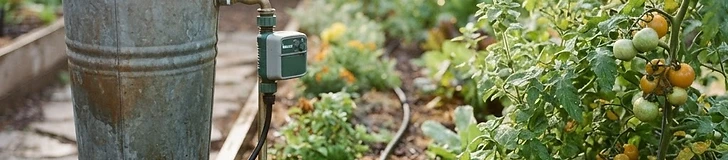
Conserving water is a cornerstone of sustainable gardening that benefits both your soil health and your wallet. By capturing natural rainfall and syncing your irrigation with the weather, you can provide your plants with the consistent moisture they crave without wasting a drop.
The Benefits of Rainwater Harvesting
Collecting runoff from your roof provides your plants with soft, chlorine-free water that is often superior to municipal sources. In many US regions, a single inch of rain on a 1,000-square-foot roof yields over 600 gallons of water. To get started, you will need:
- A food-grade rain barrel with a secure lid.
- A diverter kit to connect to your existing downspout.
- A fine mesh screen to prevent mosquitoes and debris from entering.
Establishing a Smart Schedule
Watering needs fluctuate based on your USDA hardiness zone and seasonal temperatures. Rather than following a rigid calendar, use the 'knuckle test': insert your finger into the soil up to the second knuckle. If it feels dry, it is time to irrigate. When temperatures exceed 85°F, increase frequency to keep the soil moisture consistent, preventing common issues like blossom end rot in tomatoes (Solanum lycopersicum).
Always water in the early morning hours before 8:00 AM to minimize evaporation and allow foliage to dry, which helps prevent fungal diseases.
Scaling for Efficiency
Once you have your rain barrel system in place, consider gravity-fed drip irrigation. By attaching a low-pressure soaker hose to your barrel's spigot, you can deliver water directly to the root zones of your vegetable beds. This targeted approach is significantly more efficient than overhead sprinklers, which lose up to 50% of water to the wind and sun.
Monitoring Soil Moisture
In high-heat regions like USDA zones 8–10, mulch is your best defense against moisture loss. Apply 2–3 inches of organic straw or wood chips around the base of your plants to lock in hydration. By combining captured rainwater with a thoughtful mulching strategy, you create a garden that is resilient even during the driest months.
Taking small steps toward smarter water management today ensures your garden will thrive throughout the entire growing season.