
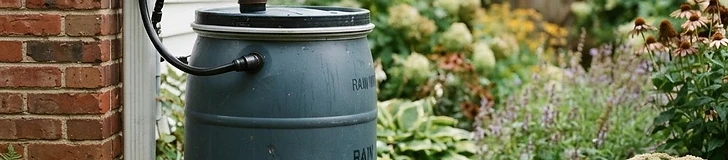
Installing a rain barrel is one of the most effective ways to save on utility bills while providing your plants with superior, chemical-free irrigation. By diverting water from your roof, you can capture gallons during even light rain showers, helping your garden thrive during dry spells in any USDA hardiness zone. This project uses a 55-gallon food-grade drum and a professional-grade downspout diverter.
Gather Your Supplies
To begin, visit a local supplier to source a food-grade plastic barrel, ensuring it previously held items like olives or pickles rather than industrial chemicals. You will also need:
- A universal downspout diverter kit
- A 1-inch bulkhead fitting with a spigot
- A heavy-duty drill with a hole saw bit
- Silicone sealant or waterproof gasket
Preparing the Barrel
Position your barrel on a level, elevated surface, such as concrete blocks or a sturdy wooden stand. Elevation is critical because gravity-fed systems require height to create enough water pressure for your garden hoses. Drill a hole near the bottom of the barrel, slightly above the base, to install your bulkhead fitting and spigot. Ensure the gasket is tight to prevent leaks, as even a slow drip can create unwanted moisture around your foundation.
Pro Tip: Always position your barrel near a downspout that is at least 6 feet away from your home's main foundation to prevent water pooling near the basement or crawlspace.
Diverting the Flow
Modern downspout diverters are far superior to open-pipe systems. They attach directly to your existing aluminum or vinyl gutter downspout. Once installed, the diverter automatically channels the first flush of water into your barrel. When the barrel is full, the device acts as an overflow valve, redirecting the excess water back into your original downspout to keep it away from your siding.
Maintenance and Safety
Periodically check your filtration screen for debris like leaves and pine needles. In regions where temperatures regularly drop below 32°F, remember to empty your barrel entirely before the first hard freeze to prevent the plastic from cracking as the water expands. Keep the lid secured at all times to discourage mosquito breeding and to ensure safety for children and curious pets in your yard.
Start your journey toward self-sufficiency today by tapping into the natural water cycles right above your roof.