
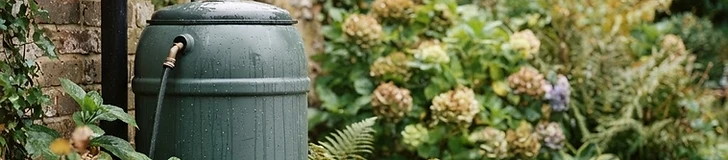
Rainwater is essentially liquid gold for your garden. Unlike treated municipal tap water, which often contains chlorine, chloramine, or fluoride, rainwater is naturally soft, pH-neutral, and loaded with trace elements that plants crave. By capturing runoff from your roof, you reduce your reliance on local water grids and decrease storm runoff, making your home garden a more resilient ecosystem. However, successfully harvesting rainwater requires more than just placing a bucket under a downspout; it requires an understanding of volume, safety, and local considerations to ensure you are actually benefiting your soil and vegetables.
Understanding Local Regulations
Before you invest in hardware, research your local and state ordinances. In some regions, particularly in the arid West, rainwater harvesting is strictly regulated. Some states, like Colorado, have historically placed limits on the amount of water a homeowner can collect due to prior-appropriation water laws. Most states have relaxed these rules in recent years to encourage sustainability, but it is vital to check your county extension office or local water district website to ensure your setup complies with local laws regarding the total capacity of your barrels and the intended use of the water.
Roof Surface and Water Quality
Your roof is a catchment system. If you plan to use captured water on a vegetable garden, the material of your roof matters. Traditional asphalt shingles can leach petroleum products and fine sand-like granules into your water, especially during the first few years of the shingle life. Metal roofs are generally considered the gold standard for rainwater harvesting because they are smooth, clean, and shed debris easily. If you have an asphalt roof, prioritize using the harvested water for ornamental shrubs, flowers, or fruit trees rather than leafy greens or root vegetables. Additionally, ensure your gutters are free of bird droppings and debris to maintain the hygiene of your supply.
Calculating Your Collection Capacity
To understand your potential yield, use the standard mathematical rule for rainwater harvesting: one inch of rain on one square foot of roof surface yields approximately 0.62 gallons of water. For example, if you have a 1,000-square-foot roof and a one-inch rain event, you could theoretically capture 620 gallons of water. This reality check helps you decide how many barrels or cisterns you actually need. Most home gardeners find that a single 50-gallon barrel is insufficient during a dry spell. Aim for a system that can store at least 150 to 200 gallons to bridge the gap between summer rain showers in zones 5 through 9.
Filtration and Safety Essentials
Never store raw, unfiltered water long-term. Debris—including leaves, twigs, and dust—will rot in your barrels, creating anaerobic conditions and unpleasant odors. Install a leaf screen at the top of your downspout to catch large particles. A first-flush diverter is an even better investment; this simple device captures the first few gallons of water from a storm—which contains the majority of roof pollutants—and diverts it away from your storage tank. Finally, keep your barrels tightly sealed to prevent mosquitoes from breeding. Use a fine mesh screen, such as a window screen, to cover any intake holes, as these pests can complete their life cycle in as little as seven days in stagnant water.
Practical Tips
- Elevate your barrels on concrete blocks or a sturdy wooden stand; gravity is your best friend for getting water into your watering cans or through a hose.
- Use opaque or dark-colored barrels to inhibit sunlight penetration, which significantly reduces algae growth inside the tank.
- Connect multiple barrels in a series using an overflow hose so that when the first barrel is full, the excess flows into the second one automatically.
- Drain your barrels completely before the first hard freeze if you live in USDA zones 6 or colder to prevent the plastic from cracking.
- Always utilize an overflow hose that directs excess water at least six feet away from your home’s foundation to prevent basement dampness or erosion.
Maintenance Throughout the Season
Maintenance is the difference between a functional system and a mosquito-breeding eyesore. Inspect your gutters and downspouts every spring to ensure they are clear of sediment. Clean the mesh screen on your barrel periodically during the growing season. If you notice a film developing on top of the water or a sulfurous smell, it is a sign of organic decay; empty the barrel, scrub the interior with a mild soap and water solution, and ensure your first-flush diverter is working correctly. Keeping the system closed and dark is the primary way to minimize these issues.
Quick Takeaway
Maximize your garden's success by capturing clean roof runoff through elevated, sealed containers while always respecting local water rights and maintaining regular filtration.