
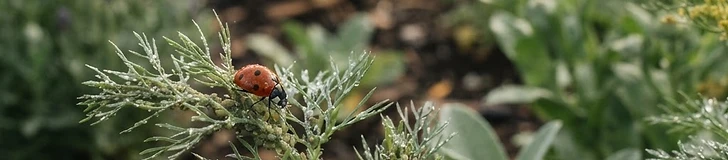
Gardening is often presented as a battle between the grower and the relentless march of hungry bugs. While it is tempting to reach for a sprayer the moment you see a cluster of aphids, a more sustainable and less labor-intensive approach exists: creating a habitat that invites nature’s own pest controllers to do the heavy lifting for you. By transforming your backyard into a magnet for beneficial insects, you can maintain plant health without ever needing synthetic chemicals.
Understanding Your Six-Legged Allies
Beneficial insects fall into two primary categories: predators and parasitoids. Predators, such as ladybugs, lacewings, and hoverflies, are the heavy hitters. A single ladybug larva can consume hundreds of aphids in its short lifespan. Parasitoids are even more subtle; tiny parasitic wasps lay their eggs inside pests like tomato hornworms or cabbage loopers. When the eggs hatch, the larvae consume the pest from the inside out, effectively ending the infestation. By shifting your perspective to see these insects as your greatest assets, you change your garden from a battleground into a functioning ecosystem.
Designing for Biodiversity
Most beneficial insects are delicate creatures with very specific requirements for shelter and food. To keep them in your garden, you must provide more than just the pests they feed on; they need nectar and pollen to survive during their adult stages. Many predatory wasps and hoverflies have tiny mouthparts and cannot feed on large flowers. Instead, they prefer tiny, clustered blossoms found on plants like dill, fennel, yarrow, and sweet alyssum. By weaving these plants into your vegetable rows, you create a "pollinator strip" that acts as a cafeteria for your tiny security force.
The Importance of Succession Planting
If your garden only blooms in mid-summer, your beneficial insects will have nowhere to go when that season ends. To ensure your "predator army" stays loyal to your plot, aim for constant bloom throughout the growing season. Early spring bloomers like creeping thyme or sweet alyssum provide essential nectar for predatory wasps emerging from dormancy. Summer perennials like yarrow and cilantro bolt, while late-season asters and goldenrod keep your allies fed through the first frosts. This diversity ensures that when a pest outbreak occurs, the predators are already present and ready to patrol your leaves.
Creating Micro-Habitats
Insects need protection from wind, heat, and birds. Instead of keeping your garden perfectly manicured, try leaving small patches of "wild" space. A brush pile in a corner, a few square feet of mulch left undisturbed, or a dedicated insect hotel can provide the overwintering sites that ladybugs and predatory beetles need. Avoid heavy tilling, as this destroys the soil-dwelling stages of many beneficial insects. By leaving some perennial stalks standing through the winter, you provide critical nesting sites for native bees and predatory beetles.
Practical Tips
- Interplant flowering herbs like dill, cilantro, and parsley directly between your vegetable crops.
- Avoid using broad-spectrum insecticides, as these kill your beneficial allies faster than the pests.
- Provide a shallow water source, such as a birdbath with pebbles, so insects can drink without drowning.
- Group plants of different heights to create varied layers of protection and shelter.
- Identify your insects before acting; many insects that look scary are actually harmless or beneficial.
- Use native plants where possible, as they are often more attractive to local beneficial insect species.
A Balanced Approach to Pest Management
Remember that no garden is ever truly "pest-free," and that is perfectly okay. A small population of aphids is necessary to keep your beneficial insect population fed and happy. If you eliminate every single bug, your ladybugs and lacewings will leave to find a better neighborhood. Aim for tolerance rather than eradication. By observing your garden closely, you will learn to spot the balance between the consumers and the consumed. When you stop intervening with harsh chemicals, you give nature the space to restore equilibrium, resulting in a healthier, more resilient landscape that grows better year after year.