
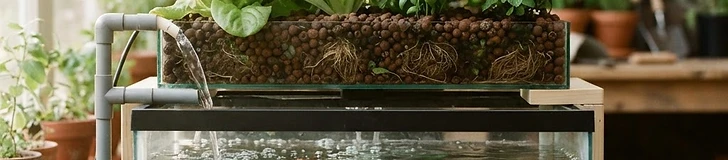
Aquaponics is the art of imitating nature by creating a closed-loop ecosystem where fish provide nutrients for plants, and plants purify the water for fish. For home gardeners in the United States, building a successful system starts not with the plumbing, but with the biological compatibility of your inhabitants. Achieving a balance between your aquatic stock and your chosen crops is the secret to a high-yield, low-maintenance setup that thrives from USDA Zone 5 through Zone 10.
The Role of the Fish
When selecting fish, you are essentially choosing the "fertilizer factory" for your garden. For beginners, Tilapia remain the gold standard due to their resilience, fast growth rates, and ability to thrive in a wide range of water temperatures. However, if you are looking for a more ornamental or specialized approach, Goldfish and Koi are excellent, hardy alternatives that produce consistent waste levels. In colder climates or indoor setups, trout are a popular choice, though they require more precise water cooling and oxygenation levels than tropical species. Remember that the biomass of your fish directly dictates how many plants you can support. A good rule of thumb is to start with a conservative stocking density to ensure your biological filter can handle the ammonia production without stressing the ecosystem.
Matching Plants to the Biological Load
Not all plants thrive equally in an aquaponic environment. Because fish waste provides a nitrogen-rich but gentle nutrient stream, leafy greens are the undisputed champions of aquaponics. Lettuce, spinach, kale, and swiss chard are exceptionally well-suited to these systems because they grow quickly and favor the consistent moisture of grow beds. Herbs like basil, mint, and cilantro also flourish, often showing higher essential oil production in aquaponic settings than in traditional soil. If you wish to grow fruiting crops like tomatoes, peppers, or cucumbers, you must wait until your system has matured, usually six months or more, and ensure you have a higher fish density to provide the potassium and phosphorus these heavy feeders require.
Balancing Environmental Needs
Your location plays a major role in these pairings. In warmer USDA zones, your water temperatures may naturally rise, making heat-tolerant plants like water spinach or sweet potatoes ideal partners for heat-loving fish. In cooler zones, if you are utilizing a greenhouse, leafy greens will dominate your harvest. You must consider the pH requirements of both your plants and fish. Most aquaponic vegetables prefer a slightly acidic pH between 6.0 and 7.0, which happens to be the "sweet spot" for the bacteria that convert fish waste into plant-available nutrients. Keeping your water parameters stable is more important than achieving perfection in any single variable.
Practical Tips
- Start with a 1:1 ratio of fish weight to plant density to avoid overloading the biological filter in your first year.
- Choose leafy greens for your first three harvests to build up the beneficial bacteria colonies in your system.
- Ensure your fish are fed high-quality, pelletized food to maintain a healthy nutrient profile for your plants.
- Avoid heavy fruiting crops until your system has been running continuously for at least two full seasons.
- Use a dedicated test kit to monitor ammonia, nitrite, and nitrate levels every week to identify imbalances before they affect your crop.
- Keep your fish stocking density low at the start, as it is much easier to add more fish later than it is to fix a system overloaded with waste.
Quick takeaway
Focus on the nutrient-leafy green cycle first to establish a healthy bacterial colony before graduating to more demanding fruiting vegetables.