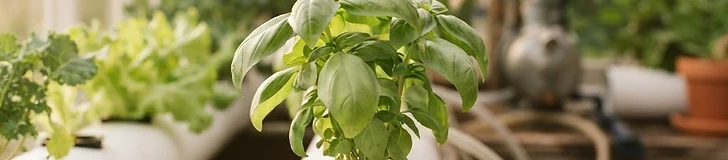
Growing Without Soil: A Simple Guide to Hydroponic SuccessHydroponics

Growing Without Soil: A Simple Guide to Hydroponic Success

3 min read 689 words

Discover how easy it is to start your own soil-free garden at home using the Kratky method, perfect for beginners looking to grow fresh herbs and greens.

Why Choose Hydroponics? If you think gardening requires a plot of land and bags of heavy soil, think again. Hydroponics is the art of growing plants in water enriched with essential nutrients. For the home gardener, this means faster growth rates, fewer pests, and the ability to grow fresh produce year-round regardless of your outdoor USDA zone. By eliminating soil, you remove the common issues of weeds, soil-borne diseases, and messy cleanups. It is cleaner, more efficient, and incredibly rewarding for anyone with a sunny windowsill or a spare corner in the kitchen. ## The Easiest Entry: The Kratky Method For beginners, the best way to dive into hydroponics is the passive Kratky method. This setup does not require pumps, electricity, or timers. You are simply creating a reservoir where the roots hang in a nutrient solution while an air gap provides the oxygen they need to survive. It mimics how plants grow in nature near water sources but optimizes the nutrient delivery for maximum flavor and vitality. ## Your Starter Toolkit To get started, you only need a few basic items found at most home improvement or garden supply stores. Grab a food-grade plastic container with a lid—a five-gallon bucket or even a sturdy storage tote works perfectly. You will also need net pots, which are perforated plastic cups, and a bag of clay pebbles to support your seedlings. Most importantly, purchase a high-quality liquid hydroponic fertilizer designed for leafy greens or herbs. Finally, you will need pH test strips to ensure your water balance stays within the healthy range for your specific plants. ## Setting Up Your System Start by cleaning your container thoroughly to prevent algae growth. Cut a hole in the lid that fits your net pot snugly so that it hangs securely without falling through. Fill your container with water mixed with your liquid nutrients according to the manufacturer's instructions. When you insert your seedling into the net pot, fill the gaps with clay pebbles to stabilize the plant. The water level should just barely touch the bottom of the net pot. As the roots grow down into the reservoir, they will drink the water and consume the nutrients, naturally pulling air into the upper root zone. ## Maintaining Your Garden Keeping your hydroponic garden healthy is mostly about observation. Keep the container in a spot that receives at least six to eight hours of indirect sunlight or use a simple LED grow light. Monitor your nutrient levels once a week. Because you are not using soil, your plants are entirely dependent on the solution you provide. If the water level drops significantly, add a fresh batch of nutrient-rich water. Ensure your room temperature stays between 65°F and 75°F, which is ideal for most lettuces, basils, and kales. If the water gets too warm, you might see algae or root rot, so keep the reservoir out of direct, intense heat. ## Harvesting Your Bounty One of the greatest joys of a hydroponic system is the speed. You will notice your greens maturing faster than they would in a garden bed. When harvesting, use the cut-and-come-again method. Snip the outer leaves of your lettuce or basil, allowing the center to continue producing new growth. This ensures a constant supply of fresh greens for your kitchen. Always harvest in the morning when the plant is most hydrated for the best texture and taste. ## Practical Tips * Use opaque containers or wrap clear ones in aluminum foil to block light, which prevents algae from thriving in your reservoir. * Always calibrate your nutrient water to a pH between 5.5 and 6.5 for optimal nutrient absorption. * Change the entire reservoir solution every four weeks to keep the water fresh and prevent salt buildup. * Start with easy-to-grow varieties like butterhead lettuce, bok choy, or sweet basil before moving on to fruiting plants like tomatoes. * Keep a simple logbook of your nutrient concentrations to track what your specific plants prefer. ## Quick takeaway Hydroponics transforms any small space into a productive garden by providing plants with direct access to nutrients in a simple, water-based environment.

#Hydroponics#Indoor Gardening#Urban Farming#Beginner Tips

More in Hydroponics

We use a couple of cookies to keep you signed in and remember your settings — no tracking ads, and we never sell your data. Read our privacy policy.