
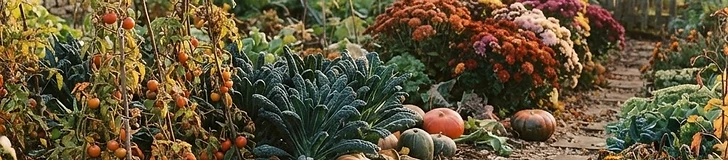
A garden isn't one long growing season — it's four overlapping ones. Plant with the calendar, not just the weather, and your harvest windows double.
Spring (cool season)
As soil warms past 50°F, sow the cold-tolerant crew: peas, lettuce, spinach, radishes, arugula, carrots, beets, onions, kale, broccoli. Direct sow as soon as the soil can be worked; transplant hardened brassicas once frost danger passes. These thrive in 50–70°F and bolt the moment summer heat arrives, so plant early.
Summer (warm season)
After your frost-free date, transplant or direct-sow heat lovers: tomatoes, peppers, eggplant, squash, cucumbers, beans, basil, corn, melons. They want 70–95°F and won't grow in cold soil, so wait — a cold spell stalls them and you lose two weeks anyway. Succession-sow beans, lettuce (in shade), and herbs every 2–3 weeks.
Fall (the second spring)
Mid-summer, sow the cool-season crew again — but in reverse, counting back from your first fall frost. A fall carrot sown 10 weeks before frost sweetens in the cold; kale gets sweeter after a frost. Add row cover to extend the season a full month or more.
Winter (harvest, rest, plan)
Even in cold zones you can over-winter garlic, spinach, mâche, and cold frames of greens. Most of us rest and PLAN: rotate last year's beds, order seeds, sketch new beds, and note what worked. The best gardens are planned in January.
The season isn't a date
Frost dates are averages, not rules. Track your own — first and last frost, when soil hits 60°F, when your lettuce bolted. After three seasons your notes are a better planting calendar than any app, because they're tuned to your microclimate.