

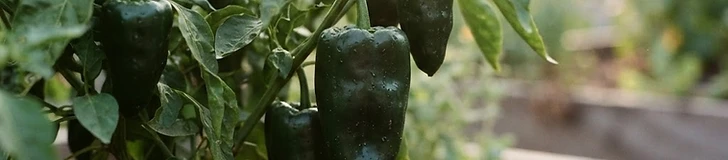
Poblano peppers, scientifically known as Capsicum annuum, are a staple for any gardener who loves cooking. These mild-to-medium heat peppers are perfect for roasting or stuffing with cheese and meats. By following these steps, you can enjoy a harvest of dark, glossy peppers from mid-summer through the first frost.
Starting Your Seeds
Because poblanos require a long growing season, start your seeds indoors 8 to 10 weeks before your area’s last frost date. Use a quality seed-starting mix and provide a heat mat to maintain a soil temperature of 75°F to 80°F. Once true leaves appear, ensure your seedlings receive at least 12-14 hours of bright light daily to prevent leggy growth.
Planting and Spacing
Transplant your peppers outside only after soil temperatures consistently reach 65°F and all danger of frost has passed. Poblanos thrive in USDA zones 4 through 11 with full sun exposure. Follow these spacing guidelines for optimal yield:
- Space plants 18 to 24 inches apart.
- Plant in rows spaced at least 30 inches apart to allow for airflow.
- Integrate organic compost into the soil to provide essential nutrients.
Pro tip: Gently shake your pepper plants daily once they begin flowering to improve pollination and ensure every blossom turns into a fruit.
Watering and Care
Consistent soil moisture is the secret to fleshy, high-quality peppers. Avoid erratic watering, which can lead to blossom end rot or stunted growth. Apply a two-inch layer of organic mulch around the base of each plant to retain soil moisture and suppress weeds. Keep the soil evenly moist but never waterlogged to encourage deep root development.
Harvesting for Flavor
For the best roasting experience, harvest poblanos when they are full-size—typically 4 to 6 inches long—and firm to the touch. While they start dark green, you can let them stay on the vine until they turn deep chocolate brown or red; this indicates a higher sugar content and more complex flavor. Use garden snips to cut the stem rather than pulling, which protects the fragile branches from snapping.
Properly cared for, a few healthy plants will provide plenty of peppers to roast, peel, and stuff for your favorite seasonal meals.