
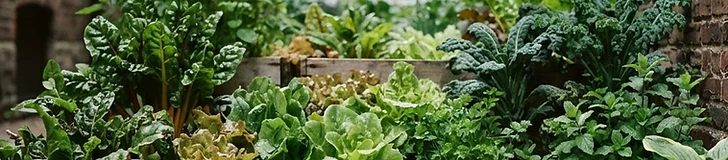
Urban gardening often means working with limited sunlight due to tall buildings blocking the path of the sun. While many crops crave full sun, you can still harvest a bountiful selection of vegetables and herbs in the shadows if you understand the requirements of shade-tolerant plants.
Assess Your Light
Observe your space throughout the day to determine your light exposure. Most leafy greens and root vegetables thrive in partial shade, which is defined as 3 to 6 hours of direct sun or bright, dappled light. If your space receives less than 3 hours of sun, focus on leafy crops rather than fruit-producing varieties. For gardeners in USDA Zones 5 through 9, these conditions are common on north-facing balconies or in narrow alleys.
Choose Shade-Tolerant Varieties
Focus on plants grown for their leaves or roots rather than their fruits, as the latter need high intensity sunlight to develop. Excellent choices include:
- Spinacia oleracea (Spinach): Prefers cooler temperatures and thrives in partial shade.
- Lactuca sativa (Lettuce): Many loose-leaf varieties grow well without intense heat.
- Raphanus sativus (Radishes): These mature quickly and tolerate lower light levels.
- Petroselinum crispum (Parsley): A reliable herb that handles shade better than most culinary herbs.
- Brassica rapa (Arugula): Adds a peppery bite to your plate and grows easily in containers.
Moisture and Soil
Plants in shady, urban corridors often lose water more slowly than those in full sun. Check the soil moisture by pushing your finger 2 inches into the growing medium. If the soil is moist, skip watering to prevent root rot, which is more common in low-light environments. Ensure your containers have adequate drainage holes at the bottom to prevent water from pooling.
Pro tip: Use light-colored or reflective pots to brighten your shaded corner and help reflect ambient light onto the lower leaves of your plants for better growth.
Maximizing Small Spaces
Use vertical wall planters or hanging baskets to make the most of your limited footprint. By hanging plants at varying heights, you can capture more ambient light that bounces off surrounding walls, even if direct beams are blocked.
With the right plant selection, your shaded urban nook can become a productive, lush oasis.