

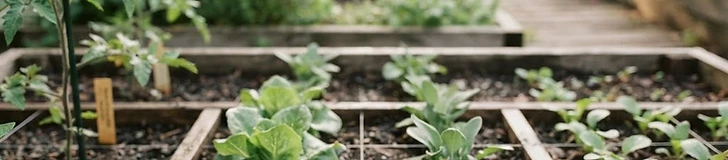
Maximizing a small space requires understanding the specific needs of each vegetable. By using a grid system, you can stop guessing about spacing and start growing efficiently, ensuring every plant has the airflow and nutrients it needs to thrive in your USDA zone.
The One-Per-Square Rule
Large, heavy-feeding crops need their own dedicated space to produce a significant harvest. Plants like Solanum lycopersicum (tomatoes), Capsicum annuum (peppers), and Brassica oleracea (cabbage) require one square foot per plant. These crops require deep soil and steady access to water during the hot summer months when temperatures exceed 80°F.
The Four-Per-Square Rule
Many medium-sized leafy vegetables and smaller brassicas fit perfectly when spaced four to a square. Crops such as Lactuca sativa (lettuce), Swiss chard, and Brassica oleracea var. botrytis (cauliflower) benefit from being placed in a four-grid pattern. This spacing creates a dense canopy that shades the soil, helping to retain moisture and suppress weeds.
When planting in high-density grids, always choose compact or 'bush' varieties rather than 'indeterminate' or vining types to ensure your plants don't outgrow their allotted square foot.
The Nine-Per-Square Rule
Smaller crops can be packed even tighter, allowing for a massive harvest in a small footprint. You can plant nine individuals of Phaseolus vulgaris (bush beans) or Beta vulgaris (beets) in nine-per-square arrangements. This density works exceptionally well for root vegetables, provided the soil is loose and free of rocks, allowing them to swell to maturity without competition.
The Sixteen-Per-Square Rule
For tiny crops like radishes or green onions, you can comfortably fit sixteen per square foot. Because these plants have shallow root systems and reach maturity quickly—often in less than 30 days—they can be crowded together without risking the health of the garden bed. Simply mark a 4x4 grid within your square and place one seed or transplant at each intersection for perfect uniformity.
Start your grid today by selecting one section of your garden to test these spacing guides for a more productive and organized growing season.