
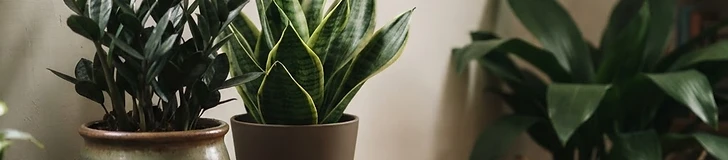
Finding the right plants for spaces that don't receive direct sun can be a challenge, but several resilient species are naturally adapted to life on the forest floor. By selecting varieties that tolerate lower light, you can bring life into corners that feel otherwise stagnant, provided you understand how to manage their hydration and growth needs.
Understanding Low Light True low light doesn't mean no light. Even in a north-facing corner or a room with minimal windows, your plants require ambient brightness to survive. If you can read a book comfortably in the spot, it is likely sufficient for these sturdy varieties. In US indoor climates, ensure temperatures stay between 65°F and 75°F to avoid cold stress.
Top Picks for Shady Spots These three plants are champions of the dim interior:
- Snake Plant (Dracaena trifasciata): Nearly indestructible, this plant prefers to dry out completely between waterings.
- ZZ Plant (Zamioculcas zamiifolia): Known for its waxy, deep green leaves, it handles irregular watering schedules with ease.
- Pothos (Epipremnum aureum): A trailing favorite that visually signals when it is thirsty by slightly wilting.
Always check the soil moisture with your finger or a meter before watering; low-light plants process water much slower than sun-lovers, and wet roots in dim conditions are a recipe for rot.
Maintenance Tips Even in low light, consistent care is key to long-term health:
- Clean the leaves every few weeks with a damp cloth to remove dust, which helps the plant absorb more light.
- Rotate the pot occasionally to ensure even growth toward the nearest light source.
- Fertilize sparingly; these plants grow slowly in dim conditions and do not need extra energy during the winter months (USDA zones 3-10).