
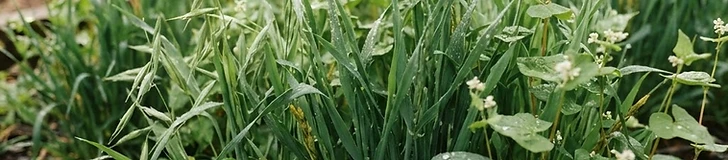
Cover crops are your garden’s living armor. By planting grasses and grains during the off-season, you prevent erosion, cycle nutrients, and suppress weeds without synthetic chemicals. This guide focuses on three workhorse species that will transform your soil health.
Cereal Rye for Overwintering
Cereal Rye (Secale cereale) is the king of winter hardiness, surviving temperatures well below 0°F. It is ideal for US gardeners in zones 3–9 who need a cover crop that persists through harsh freezes. Rye produces an extensive root system that breaks up compacted soil and scavenges leftover nitrogen, preventing it from leaching away during winter rains.
Oats for Fall Cleanup
If you need a winter-kill cover crop, choose Oats (Avena sativa). Unlike rye, oats will reliably winter-kill when temperatures drop below 20°F for a sustained period. This makes spring prep incredibly easy: the dead mulch stays on the soil surface, protecting it from crusting until you are ready to plant your early spring peas or spinach.
Buckwheat for Rapid Growth
Buckwheat (Fagopyrum esculentum) is a warm-season specialist that grows with incredible speed. It is not technically a grass, but it serves the same purpose as a soil builder. It thrives in the heat of mid-summer and can go from seed to bloom in just 30–40 days. It is particularly effective at suppressing persistent weeds like thistle and crabgrass.
Always terminate your cover crops before they set seed; if you wait until the plants reach the 'flowering' stage, you risk turning your soil-building asset into a persistent garden weed.
Planting Strategy
Follow these simple steps for success:
- Clear your garden bed of vegetable debris.
- Scatter seeds at a density of about 1 pound per 500 square feet.
- Rake the seeds into the soil to a depth of 0.5 to 1 inch.
- Water gently to ensure consistent moisture for germination.
Termination Tips
For the easiest spring cleanup, use a simple garden mower or string trimmer to cut the grasses down when they reach 12 to 18 inches tall. Leave the clippings as a 'green manure' mulch to feed the soil biology. Wait two weeks after cutting before digging the remaining residue into the ground or planting your next crop to avoid nitrogen tie-up.
Start small by designating one garden bed for a cover crop this season to observe the difference in your soil structure next spring.