
Grafting is a specialized technique that combines the root system of a vigorous, disease-resistant plant with the shoot system of a productive, tasty variety. By joining these two plants, you create a powerhouse tomato that performs better in challenging soil conditions across all USDA zones.
Understanding the Anatomy
To graft successfully, you need two components: the rootstock and the scion. The rootstock is the bottom portion chosen specifically for its ability to resist soil-borne pathogens like Fusarium or Verticillium wilt. The scion is the top portion, selected for its superior fruit flavor, size, or growth habit. When these are physically united, the scion benefits from the robust nutrient uptake of the hardy roots.
Selecting Your Varieties
Before starting, choose your plants based on compatibility. You must graft plants within the same species, Solanum lycopersicum.
- Use rootstocks specifically bred for vigor, often labeled as F1 hybrids.
- Ensure both the scion and rootstock are the same diameter at the graft site for the best success rate.
- Start both seeds at the same time, though some rootstocks may require an earlier start to reach proper thickness.
The Grafting Process
- Wait until stems reach approximately 1/8 to 1/4 inch in diameter.
- Use a sterile, razor-sharp blade to make a clean, angled cut at 45 degrees on both the rootstock and scion.
- Align the cut surfaces carefully to ensure the vascular tissues connect.
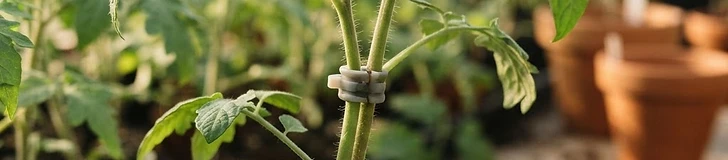
- Secure the union using a specialized silicone grafting clip.
Keep your freshly grafted tomatoes in a high-humidity environment between 70°F and 80°F for about one week to allow the graft union to heal before transitioning them to standard conditions.
Ensuring Success
After the union heals—usually indicated by the plant holding its shape without wilting—gradually remove the humidity cover. Ensure your grafted plants are planted deep enough so the graft union stays at least 2 inches above the soil line. If the graft touches the soil, the scion may develop its own roots, negating the disease-resistant benefits of the rootstock. With this technique, you can enjoy heavy harvests even in soil that previously struggled with disease pressure.
Focusing on proper healing conditions is the most vital step in establishing a healthy, long-lasting graft.