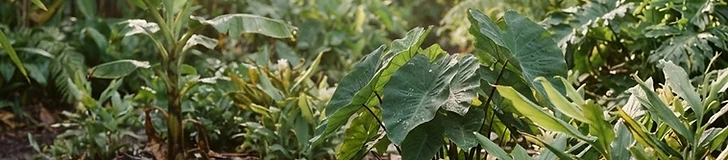
A vibrant tropical garden bed featuring lush green sweet potato vines, tall taro leaves, and bright peppers growing under a clear blue sky.Tropical & Subtropical

Gardening in Perpetual Summer: A Guide for Tropical Climates

2 min read 364 words

Learn how to manage year-round growth cycles, avoid seasonal burnout, and keep your frost-free garden thriving in USDA zones 10 and 11.

In tropical and subtropical climates, the challenge isn't surviving a winter freeze, but managing a cycle of constant growth. This guide covers how to pace your plantings to maintain a productive garden without exhausting your soil or your own energy.

Defining Your Cycles In zones 10 and 11, we categorize seasons by moisture rather than temperature. You generally experience a wet season, which triggers rapid growth and fungal pressure, and a dry season, where irrigation becomes the primary maintenance task. Shift your focus away from traditional spring planting and instead align your tasks with these moisture patterns.

Planning Your Planting Calendar Use the dry season for crops that dislike high humidity, such as Solanum lycopersicum (tomatoes) and Capsicum annuum (peppers). The heavy rains of the wet season are perfect for heat-loving staples that thrive on consistent moisture:

  1. Ipomoea batatas (Sweet potatoes) 2. Colocasia esculenta (Taro) 3. Basella alba (Malabar spinach) 4. Vigna unguiculata (Southern peas)

Managing Soil Health Continuous growth means continuous nutrient extraction. Without a winter dormant period to break pest cycles, your soil can degrade quickly. Practice succession planting by adding two inches of organic compost between every single crop rotation to keep the microbial life active and the soil structure intact.

Always clear away plant debris immediately after harvest to disrupt the life cycles of tropical pests like aphids and whiteflies, which thrive in constant warmth.

Irrigation Strategies Even in tropical zones, dry spells occur. Use drip irrigation or a soaker hose to deliver water directly to the root zone at the soil surface. Overhead watering during the humid transition periods often leads to powdery mildew and other foliar diseases. Aim to keep the leaves dry to ensure your garden remains productive and disease-free.

Harvesting and Pruning In a frost-free environment, pruning is your best tool for size control. Regularly cut back aggressive growers to ensure airflow remains constant, which is critical for preventing rot in high-humidity periods. Harvest frequently to encourage new fruit set, keeping a constant rotation of fresh produce available throughout the year. Your garden is a living system that never sleeps, so pace your efforts and enjoy the constant harvest.

Watch & learn

Curated variety-trial and pest-ID videos related to this article.

How to Grow Food in Tropical Climates

Open
#Tropical Gardening#Year-Round Gardening#USDA Zone 10#USDA Zone 11#Succession Planting

More in Tropical & Subtropical

We use a couple of cookies to keep you signed in and remember your settings — no tracking ads, and we never sell your data. Read our privacy policy.