
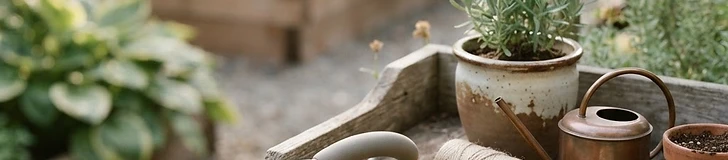
Gardening should be a source of joy, not physical strain. By selecting tools designed for comfort and efficiency, you can minimize fatigue, protect your joints, and continue tending your garden beds regardless of your age or physical condition. This guide focuses on accessible tools and techniques to help you work smarter, not harder.
Prioritize Grip and Leverage
Traditional garden tools often require a tight, uncomfortable grip that can aggravate arthritis or tendonitis. Look for ergonomic handles with a thick, cushioned, or textured grip. These designs reduce the need to clench your hand tightly, which is vital when working in cooler temperatures—often common in USDA Zones 5–7.
- Seek tools with "ratcheting" mechanisms for pruners to cut through branches with less force.
- Use tools with longer shafts to increase leverage, reducing the pressure on your wrists and lower back.
- Choose bright-colored handles so they are easy to spot if dropped in the mulch.
Lightweight Materials Matter
Weight adds up quickly over an hour of weeding. Modern lightweight gear made from carbon fiber, high-grade aluminum, or glass-reinforced nylon is just as durable as steel but significantly easier to lift. A heavy metal trowel can feel like a burden after fifty repetitions; a lighter alternative allows you to work longer with less muscle soreness.
Whenever possible, sit while you work by using a wheeled garden scooter or a stable, padded garden kneeler to avoid the strain of repeated bending and kneeling on hard soil.
The Reach and Extension Strategy
If you prefer planting in the ground, reach-extending tools are essential. Long-handled cultivators and reachers help you address weeds or harvest vegetables without straining your back or reaching too far across a bed.
- Keep your primary workspace within a 2-foot reach zone to maintain optimal posture.
- Utilize long-handled weeders to extract deep-rooted weeds like Taraxacum officinale without needing to get down on your hands and knees.
- Ensure your beds are no wider than 3–4 feet to reach the center easily from either side.
Protecting Your Joints
Beyond tools, joint protection involves how you move. Wear gardening gloves with padded palms to absorb vibrations and offer better grip. In high temperatures (85°F and above), stay hydrated and take frequent breaks. Consistent, gentle movement is the key to a long-lasting gardening practice.