An older gardener using a long-handled weeding tool while sitting comfortably on a rolling garden stool next to a tall raised garden bed.Accessible & Senior

Garden Without Strain: Smart Strategies for Mobile-Friendly Planting

2 min read 392 words

Discover practical adjustments for your garden beds, reach, and tools that make gardening enjoyable despite limited mobility.

Gardening should be a source of joy, not physical strain. This guide provides actionable adjustments to your space and equipment, ensuring you can maintain a thriving garden regardless of your mobility levels or physical limitations.

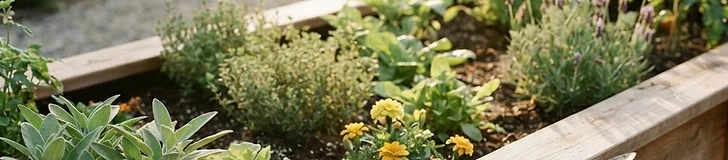
Elevate Your Beds for Comfort Raised garden beds are the most effective way to eliminate unnecessary bending and kneeling. For maximum comfort, construct beds that are 24 to 30 inches tall. This height allows you to work from a seated position or while standing with minimal leaning. If you prefer wooden beds, ensure the width does not exceed 3 to 4 feet so you can easily reach the center from either side without overextending your reach.

Optimize Your Reach with Vertical Solutions When ground-level access is difficult, vertical gardening allows you to grow upwards rather than outwards. Use wall-mounted planters, hanging baskets with pulley systems, or sturdy trellises for climbing plants like Phaseolus vulgaris (pole beans). By bringing the plants closer to your face and hands, you reduce the need to crouch or reach across wide garden beds.

Choose Ergonomic Tools Ergonomic gardening tools are designed to reduce joint fatigue and pressure. Look for tools featuring:

  • Padded, non-slip grips that prevent hand slippage.
  • Lightweight aluminum or carbon fiber handles to reduce arm strain.
  • Extended reach handles for pruning and weeding without bending.

Pro-tip: If your favorite tool lacks a comfortable grip, use bicycle handlebar tape or foam pipe insulation to build up the handle diameter for a secure, pain-free grasp.

Master the Path to Safety Your garden pathways should accommodate walkers, canes, or garden scooters. Ensure all main paths are at least 48 inches wide and surfaced with firm, level materials like crushed granite or compacted pavers rather than loose mulch or uneven stones. Consistent surfaces prevent tripping and provide a stable foundation for using mobility aids while tending to your plants.

Pacing and Protection Remember that gardening is an endurance activity. Schedule your tasks for the cooler parts of the day—ideally before 10:00 AM or after 5:00 PM—to keep your body temperature stable. Always keep a portable garden stool nearby for quick breaks, and utilize long-handled reachers to gather fallen debris without dropping to the soil level. Consistency in your garden comes from working smarter, not harder, by adapting your environment to meet your unique physical needs.

Watch & learn

Curated variety-trial and pest-ID videos related to this article.

Accessible Gardening Tips for Seniors

Open
#accessible gardening#senior gardening#raised beds#ergonomics#gardening tips

More in Accessible & Senior

We use a couple of cookies to keep you signed in and remember your settings — no tracking ads, and we never sell your data. Read our privacy policy.