
Some vegetables are hungrier than others. To get the most out of your garden, you must provide extra nutrients to plants that grow rapidly or produce large fruits. This guide helps you identify and fuel these high-energy crops for a bountiful harvest.
Identifying Your Heavy Feeders
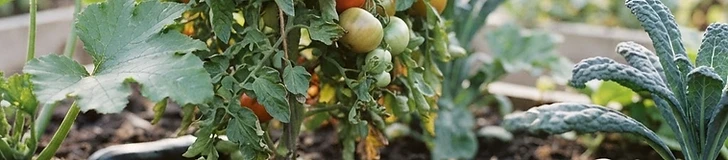
Heavy feeders are plants that rapidly deplete soil nutrients. In your garden, these typically include Solanum lycopersicum (tomatoes), various members of the Cucurbita family (squash, zucchini, cucumbers), and the Brassica genus (broccoli, kale, cabbage). Because these crops demand high levels of nitrogen for leaf production and phosphorus or potassium for fruit and root development, they often struggle in native soil without supplemental feeding.
Timing Your Nutrient Delivery
Providing food at the right time is crucial for healthy development. Avoid fertilizing immediately after transplanting, as this can shock young roots. Instead, follow this schedule:
- Incorporate slow-release organic matter like compost into the soil bed during planting.
- Apply a balanced liquid fertilizer when the plant hits a growth spurt, typically 4 weeks after planting.
- Add a potassium-rich boost once fruiting begins to support larger yields.
Pro tip: Always water your plants thoroughly before applying liquid fertilizer to prevent 'fertilizer burn' on sensitive root systems during hot summer days above 85°F.
Choosing the Right Fertilizer
Organic fertilizers, such as fish emulsion, blood meal, or well-rotted manure, are excellent for long-term soil health. They release nutrients slowly and improve soil structure. For heavy feeders, look for an N-P-K ratio where the middle or last number is higher once the plant matures, as this supports blooming and fruit set rather than just foliage growth. Always follow the manufacturer’s instructions on the bag regarding application rates for square-foot gardening or row planting.
Monitoring Plant Health
If your heavy feeders look pale or stunted, they may be signaling a nutrient deficiency. Yellowing lower leaves often indicate a nitrogen shortage, while stunted fruit development might suggest a lack of potassium. Adjust your feeding schedule accordingly, but be careful not to over-fertilize, as excess nitrogen can lead to lush green leaves but very little fruit.
Consistency is the secret to a high-yielding garden; keep your soil well-amended to help these hungry plants reach their full potential.