
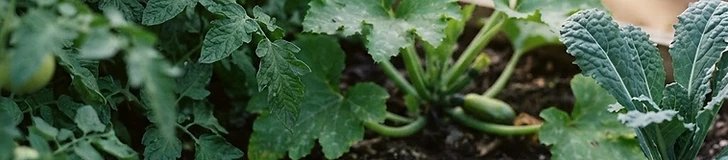
Every vegetable garden has a hierarchy of hunger. While some root crops are content with modest soil conditions, heavy feeders act like marathon runners that require constant refueling to produce high yields. If you are growing tomatoes, squash, or brassicas, understanding how to feed them properly is the difference between a struggling plant and a flourishing one. These crops demand significantly more nitrogen, phosphorus, and potassium than their counterparts, and failing to provide this extra energy often leads to stunted growth or poor fruit production. In the United States, where garden zones range from tropical to arctic, mastering this feeding schedule ensures your plants have the fuel they need before the season abruptly ends.
Identifying the Heavy Feeders
Heavy feeders are defined by their rapid growth cycles and massive vegetative output. Tomatoes are perhaps the most famous example; they require consistent nitrogen for leaf production in the early weeks and high phosphorus and potassium once flowering begins. Squash and pumpkins are similarly aggressive, sprawling across garden beds and demanding a steady stream of nutrients to support their thick stems and large fruits. Brassicas, which include broccoli, kale, cabbage, and cauliflower, are unique in that they remain heavy feeders throughout their entire lifespan because they are harvested for their vegetative parts. Understanding that these plants will drain your soil of available nutrients much faster than carrots or lettuce is your first step toward success.
The Role of Soil Preparation
Feeding your plants should start before you ever put a seedling into the ground. Heavy feeders rely on deep root systems, which thrive in soil rich in organic matter. Adding a two to three-inch layer of well-rotted compost or aged manure to your beds in the spring provides a baseline of slow-release nutrients. In colder USDA zones, where spring arrives late, mixing this organic matter into the soil a few weeks before planting allows the microbial life to activate. By building a nutrient-dense foundation, you decrease the reliance on quick-fix synthetic fertilizers later in the season. Think of compost as the steady meal and liquid fertilizers as the occasional snack.
Timing Your Supplemental Feeding
For plants that produce fruit, such as tomatoes and squash, your feeding strategy must shift as the plant matures. During the vegetative stage, high-nitrogen feeds encourage lush, green foliage. However, once you see the first flowers, it is time to pivot. Switching to a formula higher in phosphorus and potassium helps the plant redirect its energy from growing leaves to growing vegetables. Brassicas, conversely, appreciate high-nitrogen feeding throughout their growth to keep the heads or leaves crisp and vibrant. Aim to apply liquid fertilizers every two to three weeks during the peak growing season, being careful to water them into the root zone rather than splashing them on the leaves, which can lead to leaf burn or disease.
Understanding Soil pH
Even the most well-fed plant will struggle if the soil pH is out of balance. If your soil is too acidic or too alkaline, essential nutrients become locked in the soil and inaccessible to the roots. Most heavy feeders prefer a slightly acidic pH between 6.0 and 7.0. In many parts of the US, gardeners deal with acidic soil, which can be corrected by adding agricultural lime. If you suspect your plants are hungry despite regular feeding, a simple soil test kit from your local cooperative extension office can tell you if your pH is the culprit preventing nutrient uptake.
Practical tips
- Apply a balanced organic granular fertilizer at the time of planting to give seedlings a strong start.
- Use a seaweed or fish emulsion spray to provide quick micronutrients during periods of extreme heat when plants may be stressed.
- Avoid fertilizing during the hottest part of the day; apply your liquids in the early morning so the soil can absorb moisture without rapid evaporation.
- Mulch around the base of your plants with straw or shredded leaves to keep the root zone cool and prevent nutrients from leaching away during heavy summer rainstorms.
- Keep a garden journal to track which plants were in which beds; heavy feeders like tomatoes should ideally be rotated every three years to prevent soil depletion and disease buildup.
Quick takeaway
Consistent moisture and scheduled feeding are the dual keys to sustaining high-yield, heavy-feeding vegetables throughout the season.