
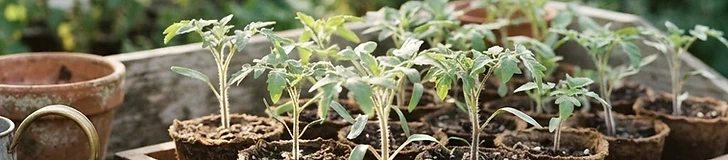
Starting Solanum lycopersicum from seed offers access to thousands of unique varieties you won't find at a big-box store. By mastering the transition from a warm indoor environment to the unpredictable outdoors, you can set your garden up for a heavy, high-quality harvest.
Starting Seeds Indoors
Timing is your most critical factor. Begin your seed starting process indoors about 6 to 8 weeks before your region’s average last frost date. Use clean cell trays and a high-quality, fine-textured seed-starting mix. Plant seeds approximately 1/4 inch deep. Keep the soil consistently moist but not waterlogged, and place the trays on a heat mat set to 75°F to ensure rapid, uniform germination. Once sprouts emerge, they require at least 14 hours of strong, direct light daily to prevent them from becoming spindly.
The Hardening Off Process
Moving seedlings directly from the controlled indoor climate to the garden is a recipe for disaster. Hardening off is the mandatory process of gradually acclimating your plants to outdoor conditions. Over a period of 7 to 10 days, move your plants outside for increasing durations. Start with just two hours in a sheltered, shaded spot on day one, and incrementally increase their time and exposure to direct sunlight each day. This toughens the plant cell walls and builds resistance to wind and UV rays.
Pro Tip: If you notice your seedlings look droopy after an hour outside, don't worry. This is a common reaction to wind and lower humidity; they will recover once brought back inside, provided they are not left in full, harsh afternoon sun too early in the cycle.
Planting in the Garden
Once the risk of frost has passed and night temperatures consistently stay above 55°F, it is time to move your tomatoes to their permanent home. When you transplant, bury the stem deep—up to the top two sets of leaves. Tomatoes are unique in that they will sprout roots all along the buried portion of the stem, resulting in a much stronger, more vigorous root system and a sturdier plant that is better equipped to support a heavy fruit load later in the season.
Careful planning and a gentle transition will ensure your homegrown tomatoes thrive all season long.