
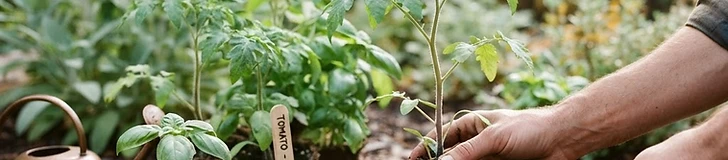
Transitioning your delicate seedlings from the protected, climate-controlled environment of your indoor seed starting station to the vast, unpredictable outdoors is a critical moment in every gardener's season. This process, known as hardening off, acts as a bridge that prepares your plants for the harsh realities of direct sunlight, fluctuating temperatures, and gusting winds. Without this gradual acclimation, even the healthiest seedlings can succumb to transplant shock, leaving you with stunted growth or lost plants. By dedicating one to two weeks to this vital ritual, you set your garden up for success and ensure your efforts pay off in a bountiful harvest. ## Understanding the Need for Acclimation When seedlings grow under LED lights or behind sunny windows, they live in a world without variables. They are accustomed to consistent moisture, gentle air circulation, and a specific light spectrum that never changes. Suddenly placing them into the garden exposes them to intense ultraviolet rays that can scorch tender leaves and winds that can dehydrate plant tissues faster than the roots can uptake water. Hardening off is essentially strength training for plants. It triggers physiological changes, such as the thickening of the leaf cuticle and the development of stronger stalks, which allow the plant to withstand the stressors of the great outdoors. ## The Seven to Fourteen Day Schedule Consistency is the foundation of a successful transition. Start the process about a week before your local frost-free date or whenever you intend to transplant. On day one, place your seedlings in a sheltered, shaded area outside, protected from direct wind, for no more than one or two hours. Each subsequent day, gradually increase their exposure. By day four, you might introduce one hour of dappled morning sunlight. By day seven or ten, you are working toward allowing them to spend the full day in the garden environment, eventually leaving them out overnight if the temperatures remain safely above 50°F for warm-season crops like tomatoes and peppers. If a sudden cold snap or severe storm rolls in, do not hesitate to bring your trays back inside for a day or two. ## Mastering the Transplant Technique Once your seedlings have successfully completed their hardening off period, it is time to move them into their permanent home. Timing is everything; transplanting is best performed on an overcast day or during the late afternoon to minimize the stress of the midday sun. Before you begin, water your seedlings thoroughly a few hours ahead of the move. This ensures the root system is hydrated and makes the soil ball easier to remove from the container without breaking. When you dig your planting hole, make it twice as wide as the root ball but no deeper than the original pot. For leggy plants like tomatoes, you can bury them deeper, as they will sprout additional roots along the submerged stem. Gently tease out any circling roots at the bottom of the root ball to encourage outward growth into the native soil. Place the seedling, backfill with your garden soil or high-quality compost, and firm the area gently with your hands to eliminate large air pockets. A thorough watering immediately after planting is the final essential step to help the roots settle. ## Practical Tips for Success Use these strategies to troubleshoot and ensure the smoothest transition possible for your young garden. - Monitor weather reports religiously; if nighttime temperatures dip below 50°F, keep your peppers, eggplants, and cucumbers indoors. - Use a physical barrier like a cloche or a floating row cover for the first few days after transplanting to provide a micro-climate that reduces wind stress. - Label your plants immediately upon moving them to the garden bed so you remember exactly what you have placed where. - Never transplant when the soil is waterlogged or bone dry; moist, friable soil is ideal for establishing new roots. - Consider applying a thin layer of organic mulch around your newly transplanted seedlings to help retain soil moisture and regulate temperature. - Avoid fertilizing immediately at transplanting; give the plants a week to adjust to their new environment before introducing any nutrients. - If you notice wilting despite your best efforts, provide temporary shade with a piece of cardboard or an umbrella during the peak of the afternoon sun for a few days. ## Quick Takeaway: Gradual exposure is the single most important factor in preventing transplant shock; treat your seedlings like guests arriving at a party rather than rushing them into the spotlight.
 Seed Starting & Saving
From Greenhouse to Garden: Mastering the Art of Seedling Hardening
4 min read 747 words
Learn the essential steps to safely transition your indoor-started seedlings to the unpredictable outdoor environment, ensuring they thrive instead of wilting under stress.
#seed starting#gardening tips#transplanting#seedlings#beginner gardening