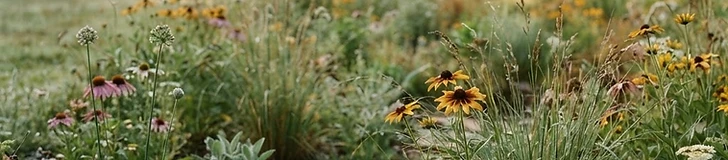
A section of a residential backyard transitioning from manicured grass to a lush, colorful native wildflower meadow with diverse textures and heights.Native Plants & Rewilding

From Grass to Oasis: A Practical Guide to Rewilding Your Lawn

2 min read 377 words

Transforming a sterile turf grass lawn into a biodiverse native sanctuary is easier than you think. Learn how to reclaim your space for local wildlife with these simple, actionable steps.

Transforming a portion of your yard into a native meadow creates a vital corridor for pollinators and beneficial insects. This guide outlines how to replace thirsty, resource-heavy turf with a self-sustaining ecosystem suited to your USDA hardiness zone.

Assess Your Site Before you begin digging, observe your yard for 24 hours. Note where the sun hits at noon and where water pools after a heavy rain. Native plants are highly specific about their needs; Echinacea purpurea (Purple Coneflower) thrives in full sun, while Asarum canadense (Wild Ginger) prefers the shaded, moist corners of your property.

Remove the Turf The most effective way to start is by smothering existing grass rather than tilling, which brings buried weed seeds to the surface.

  1. Mow the area as low as possible.
  2. Cover the patch with a double layer of corrugated cardboard.
  3. Top with 3 inches of high-quality organic compost or mulch.
  4. Let it sit for at least six weeks to kill off turf roots.

Select Native Species Choose plants that evolved in your specific region to ensure they survive local winters and summer heat waves. Focus on a mix of structural grasses and colorful forbs to provide year-round interest.

Focus on planting in clusters of three or five to create a 'drift' effect; this looks more natural to the eye and makes it easier for bees to find a sufficient nectar source in one stop.

Planting and Maintenance Dig through the cardboard layer to plant your nursery-grown plugs. Space them about 12 to 18 inches apart to allow room for growth. Initially, you must water them once a week if rainfall is less than one inch. After the first season, most native perennials will develop deep root systems, making them drought-tolerant and largely maintenance-free in temperatures exceeding 85°F.

Embrace the Wild A rewilded garden is not a static display; it is a living cycle. Leave dried seed heads and hollow stalks standing through the winter to provide essential shelter for native bees and birds. By allowing your garden to look a bit 'messy' in the colder months, you are actually hosting the next generation of pollinators. Start small with a single flower bed this season and watch your local wildlife thrive.

Watch & learn

Curated variety-trial and pest-ID videos related to this article.

How to Convert Lawn to Wildflower Meadow

Open
#native plants#rewilding#sustainability#pollinators#lawn care

More in Native Plants & Rewilding

We use a couple of cookies to keep you signed in and remember your settings — no tracking ads, and we never sell your data. Read our privacy policy.