
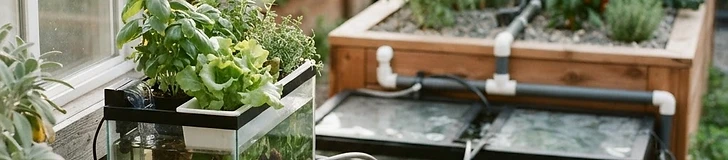
Transitioning from a compact tabletop aquaponics setup to a robust backyard installation is an exciting milestone for any home grower. While a desktop tank offers a fascinating look at the nitrogen cycle, scaling up allows you to produce enough leafy greens, herbs, and even tilapia or perch to make a measurable impact on your kitchen table. Moving your operation outdoors introduces natural sunlight and seasonal variables, shifting your focus from artificial lighting and temperature control to managing the rhythms of your local environment. Success in a backyard system depends on understanding the increased capacity of your biological filter and how to effectively harness solar energy for year-round production.
Understanding the Increased Demand
When you move from a 10-gallon aquarium to a 200-gallon backyard tank, the chemistry changes. In a small tank, water fluctuations occur rapidly. In a large system, the volume of water acts as a thermal and chemical buffer, making the system more stable but also requiring more advanced plumbing. You must scale your biofilter—the media bed where bacteria convert toxic fish waste into plant-accessible nitrates—proportionately to your fish stocking density. A good rule of thumb is to maintain a fish-to-plant ratio where you have enough surface area in your grow beds to handle the ammonia generated by your fish population. Plan for roughly one cubic foot of expanded clay media for every five to ten gallons of fish tank volume to ensure sufficient biological filtration capacity.
Optimizing Backyard Placement
Location is everything when you move outside. Unlike indoor systems that rely on LEDs, outdoor systems thrive on natural photosynthesis. You want a site that receives at least six to eight hours of direct sunlight, but be mindful of the peak heat of summer. If you live in USDA zones 8 through 10, the intensity of the sun can rapidly overheat your fish tank. Utilize shade cloth rated at 30 to 40 percent to prevent water temperatures from climbing above 85°F, which can stress your fish and decrease oxygen levels. If you are in cooler regions like zones 5 or 6, place your system in a wind-protected spot or consider a simple unheated greenhouse or hoop house cover to extend your growing season into late autumn.
Plumbing and Flow Dynamics
Backyard systems often utilize flood-and-drain cycles to keep roots oxygenated. Gravity is your best friend here. By elevating your grow beds slightly above your fish tank, you can allow water to drain back into the reservoir naturally, reducing the strain on your pumps. Use PVC piping with a diameter of at least one inch to prevent clogging from organic buildup. In larger systems, consider adding a secondary solids filter, often called a swirl filter, before the water hits your grow beds. This captures the solid fish waste that would otherwise clog your media, keeping your grow beds cleaner and your nutrient delivery more efficient. Always include a bypass valve in your plumbing layout, which allows you to regulate water flow or perform maintenance on one section of the system without shutting down the entire operation.
Mastering Seasonal Cycles
In a backyard, you are subject to the weather. During spring and autumn, your plants—especially cool-weather crops like lettuce, kale, and bok choy—will thrive. As temperatures rise into the high 70s or 80s, these plants will tend to bolt. This is the time to pivot to heat-tolerant varieties like basil, chard, or peppers. Temperature also dictates fish activity. During the winter in colder climates, many fish species enter a state of reduced activity and metabolism. You must reduce your feeding schedule significantly during these months; overfeeding a dormant fish population will quickly lead to ammonia spikes, as there are fewer hungry plants to absorb the nutrients.
Practical tips
- Always keep a backup air pump on hand. In larger outdoor tanks, fish are more susceptible to oxygen depletion if power fails or your main pump dies.
- Use light-colored or reflective tank covers to prevent algae growth and keep the water temperature stable.
- Test your water weekly during the first three months of a new backyard build to document how your specific environment affects pH and nitrate levels.
- Incorporate beneficial garden insects by planting pollinator-friendly flowers in pots nearby to help your fruiting crops like tomatoes and peppers.
- Insulate your exposed fish tank with foam board if you live in an area with sharp overnight temperature drops to minimize thermal shock.
Quick takeaway
Focus on the balance between fish volume, media surface area, and sunlight exposure to create a thriving, self-sustaining outdoor ecosystem.