
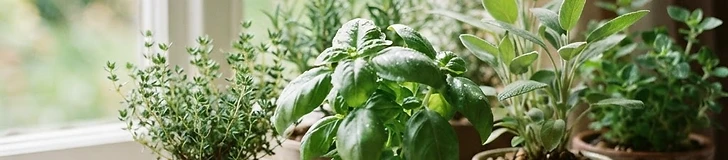
Bringing the garden indoors is one of the most rewarding ways to elevate your cooking and reconnect with nature without needing a backyard. A well-tended windowsill herb garden provides a constant supply of aromatic greens that thrive in the microclimate of your home. By understanding the specific needs of these resilient plants, you can enjoy fresh flavor even in the dead of winter.
Choosing the Right Spot and Light
Not all windowsills are created equal. Herbs are generally sun-loving plants that require at least six hours of bright, direct sunlight to flourish. A south-facing window is usually the gold standard for indoor gardening in the United States, as it provides the most consistent light throughout the day. If you live in a northern region during the winter, you might find that the light intensity drops significantly. If your herbs start looking leggy or thin, it is a sign they are stretching for light, and you may need to supplement with a simple LED grow light.
Drainage is Non-Negotiable
One of the most common mistakes beginners make is drowning their herbs. Many popular culinary herbs like rosemary, thyme, and oregano prefer soil that is slightly on the drier side. Always ensure your pots have drainage holes. If you have decorative pots without holes, use them as cache-pots, keeping the herbs in their original plastic nursery liners inside. When you water, take the liners to the sink, let them drain fully, and then place them back. Never let your pots sit in a saucer of standing water, as this leads to root rot.
Selecting Your Herbs
For a beginner-friendly setup, start with reliable varieties that tolerate indoor life well. Basil is a heavy hitter for pasta and salads, though it does need consistent warmth and frequent pinching to stay bushy. Parsley and chives are exceptionally hardy and tolerate slightly lower light levels than their Mediterranean cousins. Mint is incredibly vigorous but should always be potted alone, as its root system is aggressive and will quickly crowd out other herbs in a shared container.
Soil and Fertilizer Basics
Avoid digging up soil from your yard; it is often too heavy and may contain pests or diseases. Purchase a high-quality organic potting mix specifically designed for indoor containers. These mixes are lighter and provide the aeration that delicate root systems require. Since indoor pots are small, the nutrients in the soil will eventually deplete. During the active growing season from March through September, apply a balanced organic liquid fertilizer at half-strength every four to six weeks to keep your plants vibrant and productive.
Watering Wisdom
Checking your plants before you grab the watering can is a crucial habit. Stick your finger into the soil up to the first knuckle. If it feels dry, it is time to water. If it feels damp or cool, leave it alone. Remember that the temperature in your home, which typically ranges from 65°F to 75°F, will affect how quickly the soil dries out. In the winter, when central heating kicks in, your indoor air will be much drier, which may require you to water slightly more often than you would expect.
Practical tips
- Harvest often to encourage growth; never take more than one-third of the plant at a time.
- Rotate your pots 90 degrees every week to ensure even growth on all sides.
- Group pots together to create a humid microclimate, which helps plants cope with dry indoor heating.
- Use labels for each pot, especially if you are growing different varieties of the same herb like curly vs. flat-leaf parsley.
- Keep your herbs away from drafty windows or hot radiators to prevent temperature shock.
Quick takeaway
Success with indoor herbs comes down to providing bright light, excellent drainage, and consistent monitoring of soil moisture.