
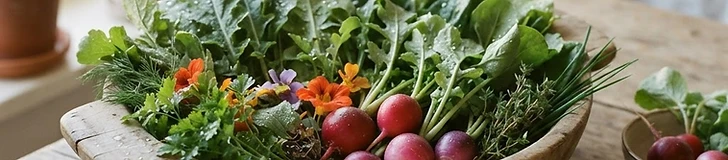
There is a unique satisfaction in stepping out your back door, harvesting a handful of crisp lettuce and spicy arugula, and turning them into a meal before the morning dew has fully evaporated. For home gardeners, the transition from patch to plate is the ultimate shortcut to nutrition and flavor. By understanding how to harvest at the peak of freshness and balance textures, you can turn a humble garden bed into a reliable source of quick, healthful lunches throughout the growing season. Whether you are working with raised beds in USDA Zone 6 or containers on a sunny balcony in the South, these techniques will transform how you view your harvest.
The Art of the Quick Harvest
Success begins with the harvest. For the most tender greens, try to gather your vegetables early in the morning when the water content is highest and the leaves are turgid. Use sharp, clean garden shears to snip lettuce, spinach, and Swiss chard just above the crown, allowing the plants to continue producing for a 'cut-and-come-again' harvest throughout the season. Aim to harvest just what you need for a single meal to maintain maximum nutrient density. If you must harvest in the afternoon, give your greens a quick soak in a bowl of ice water for ten minutes to restore their crisp, refreshing snap before assembly.
Building a Balanced Base
A truly great garden salad relies on a foundation of diverse textures. Instead of sticking to one variety, mix your greens based on their growth stages. Combine buttery, soft bibb lettuce with the peppery bite of mature arugula or the crunchy, serrated edges of frisée. If your garden is currently producing kale, massage the leaves with a dash of olive oil or lemon juice for a few minutes; this breaks down the tough cellulose and makes the greens significantly more palatable. By mixing sweet, spicy, and bitter profiles, you create a complex flavor landscape that makes every bite interesting.
Texture and Toppings from the Garden
To turn a bowl of leaves into a satisfying meal, you need to incorporate layers. Think beyond the greens. Garden-fresh radishes offer a brilliant, spicy crunch, while sliced cucumbers provide a cooling contrast. If you have extra space, interplant some herbs like chives, parsley, or cilantro right next to your greens. Chopping a handful of fresh herbs and mixing them directly into the salad base provides a massive boost of flavor that store-bought greens simply cannot replicate. Consider adding toasted nuts or seeds if you want protein, but keep the focus on the vibrant, raw colors of your harvest to ensure you are getting the full spectrum of garden-derived phytonutrients.
The Simple Five-Minute Vinaigrette
You do not need complicated store-bought dressings to elevate your harvest. A perfect garden salad requires nothing more than the golden ratio: three parts high-quality extra virgin olive oil to one part acid. For the acid, use a splash of lemon juice from a potted citrus tree or a high-quality apple cider vinegar. Add a pinch of sea salt and a teaspoon of raw honey or maple syrup to round out the acidity. Whisk this combination in the bottom of your bowl before adding your greens. By dressing the bowl first, you ensure the leaves are lightly coated without becoming soggy, preserving the crunch for every mouthful.
Practical tips
- Always wash your greens in a large bowl of cold water to gently remove grit, then spin them dry to help the dressing cling to the leaves.
- Keep your salad greens cool by storing harvested bundles in a perforated bag in the refrigerator crisper drawer, which mimics a mini greenhouse environment.
- If your greens are growing too fast in high heat, harvest them as 'baby greens' rather than waiting for full-sized heads to prevent bitterness.
- Rotate your varieties every 4 to 6 weeks to ensure you have a constant supply of different textures and flavors.
- Add a handful of edible flowers like nasturtiums or pansies for a visual pop and a peppery flavor profile that elevates your presentation.
Quick takeaway
Harvest small and often, mix textures, and dress your bowl just before serving to turn simple garden greens into an effortless, nutrient-packed meal.