
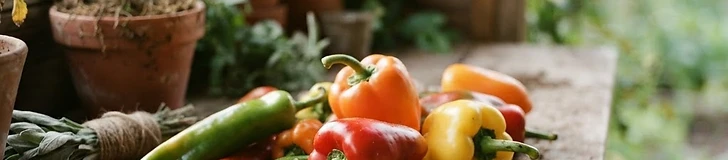
Knowing exactly how to handle your bell peppers after they leave the vine ensures you enjoy that crisp, sweet crunch for up to three weeks rather than just a few days. By focusing on temperature and moisture control, you can drastically reduce food waste in your kitchen.
The Harvest Technique Proper harvesting starts with the tool you use. Avoid pulling peppers by hand, which can damage the brittle main stems of your plants. Instead, use clean, sharp garden snips to cut the pepper away from the plant, leaving about 1 inch of the stem attached. This small piece of stem acts as a seal, preventing premature moisture loss and keeping pathogens from entering the fruit.
Washing and Drying For long-term storage, moisture management is critical. If you wash your peppers immediately after picking, they will quickly rot in the refrigerator. Wait until you are ready to cook or eat them before rinsing. If they are heavily soiled with garden dirt, wipe them gently with a dry cloth instead. Any lingering surface water creates a breeding ground for mold and bacteria, which will shorten the storage life of the entire batch.
Refrigeration Best Practices Your refrigerator is the best tool for freshness, but it must be used correctly. Sweet peppers prefer a temperature range of 40°F to 45°F. Place your dry, unwashed peppers into a perforated plastic bag or a crisper drawer. The perforations allow for essential air circulation, preventing the buildup of ethylene gas that causes peppers to shrivel.
If you must store your peppers for more than a few weeks, consider slicing and freezing them; they won't retain their crisp texture, but they will hold their flavor perfectly for soups, stews, and stir-fries.