
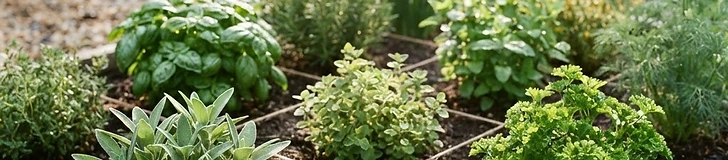
Learn how to transform a single square foot of your garden into a high-yield culinary station by leveraging the space-saving principles of grid gardening. By maximizing density and grouping plants by their specific sunlight and water needs, you can produce a constant supply of fresh herbs throughout the growing season.
Choosing Your Plants The key to a successful herb grid is understanding that not all herbs grow at the same rate or size. In a 12-inch by 12-inch square, you can fit:
- Nine Ocimum basilicum (Basil) or Petroselinum crispum (Parsley) plants for a lush harvest.
- Four Coriandrum sativum (Cilantro) or Anethum graveolens (Dill) plants.
- One Rosmarinus officinalis (Rosemary) or Thymus vulgaris (Thyme), as these woody perennials need more room and air circulation.
Positioning for Success Proper sunlight exposure is critical, as most culinary herbs crave at least six to eight hours of direct sun daily. When arranging your grid, place your taller plants like dill or rosemary on the north side of the bed so they do not cast shadows on smaller, sun-loving varieties.
Pro-tip: If you are gardening in cooler regions (USDA Zones 3–6), start your herbs indoors four to six weeks before the last frost date so you can transplant them into the garden when soil temperatures reach a consistent 60°F.