

There is a profound satisfaction in stepping out into your backyard, clipping a handful of sun-warmed herbs, and transforming them into a dressing that elevates a simple meal into something extraordinary. When you grow your own herbs, you gain access to flavor profiles that store-bought varieties simply cannot replicate, particularly because the essential oils are at their peak freshness the moment you harvest them. Whether you are tending to a small windowsill container or a sprawling backyard patch across USDA zones 4 through 9, incorporating your harvest into dressings and marinades is the most accessible way to enjoy the fruits of your labor daily. ## The Secret to Herb-Centric Emulsions The secret to a perfect herb dressing lies in the balance between fresh aromatics, high-quality fats, and bright acidity. A standard vinaigrette follows a classic ratio of three parts oil to one part acid, but when you introduce fresh herbs, you are adding both moisture and fiber. If you are using delicate soft herbs like basil, cilantro, or parsley, you can incorporate them directly into the dressing for a rustic texture. For woodier herbs such as rosemary, thyme, or oregano, it is best to finely mince them or let them steep in your oil for several hours before serving to ensure they do not overpower the palate with a woody texture. Using a high-quality extra virgin olive oil provides a rich, fruity base that carries the grassy notes of your garden herbs beautifully. ## Designing Your Garden Marinades Marinades serve a different purpose than dressings; their goal is to penetrate proteins or vegetables, infusing them with depth before they meet the heat of the grill or oven. When marinating, think about the specific characteristics of your herbs. Mint and lemon balm offer a cooling, refreshing finish that pairs exceptionally well with grilled lamb or summer squash, while rosemary and garlic are heavy-hitters meant for heartier dishes like roasted chicken or root vegetables. To make the most of your garden herbs, crush them slightly in your hands before adding them to your marinade mixture. This action releases the essential oils and allows them to mingle with the acid of your citrus or vinegar base. If you are grilling outdoors, ensure your marinade is applied generously, but be aware that fresh herbs can burn quickly if placed directly over high flames. Aim to sear your protein first, then finish with a fresh herb-based dressing right before serving to maintain the vibrant color and nutritional profile of the plants. ## Harvesting for Maximum Potency To ensure your dressings taste as vibrant as they look, timing your harvest is crucial. The best time to pick herbs for culinary use is in the early morning, just after the dew has evaporated but before the intense midday sun has hit the foliage. At this time, the plant's essential oils are most concentrated. For herbs like basil, harvest just above a set of leaves to encourage the plant to grow bushier, ensuring you have a steady supply throughout the summer. If you live in a cooler climate like USDA zone 5, pay close attention to frost dates; once the temperatures drop toward 32°F, your tender annuals will need to be harvested entirely or moved indoors to protect their delicate flavor profiles. ## Practical tips - Always wash and thoroughly dry your herbs using a salad spinner or paper towels; excess water on leaves can prevent the oil in your dressing from emulsifying properly. - For a creamy texture without dairy, try blending half of a ripe avocado or a tablespoon of tahini into your vinaigrette. - Use a mortar and pestle to bruise your herbs; this method is superior to a knife because it releases oils rather than cutting through cell walls. - If you have an abundance of herbs, create herb-infused oils by gently heating dried or fresh herbs in olive oil, then straining them after cooling; store these in the refrigerator for up to two weeks. - Do not discard the stems of hardy herbs like cilantro or parsley; mince them finely and use them in marinades, as they often contain more flavor than the leaves. - Taste your dressing as you go; the acidity of home-grown tomatoes or the sharpness of garden-fresh garlic can vary widely throughout the season, so adjust your salt and acid ratios accordingly. ## Quick takeaway A great herb dressing relies on fresh, early-morning harvests and a simple balance of quality oil and acid, allowing the true flavor of your garden to shine through in every bite.
 Healthy Recipes
Flavor from the Soil: Crafting Garden-Fresh Herb Dressings
4 min read 757 words
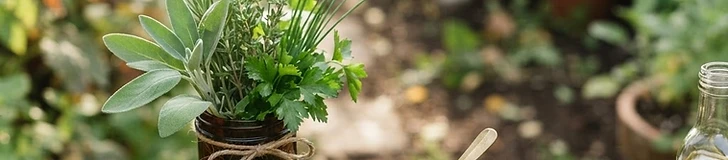
Transform your garden harvest into vibrant culinary creations with simple, herb-forward dressings and marinades that celebrate the seasonal intensity of home-grown ingredients.
#gardening#herbs#cooking#recipes#dovi-learn