
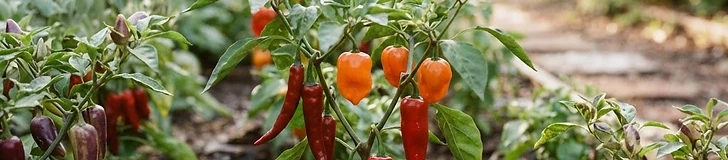
Creating a signature hot sauce starts in your own garden by selecting pepper varieties that provide distinct flavor profiles rather than just raw heat. Whether you are aiming for a tangy fermented sauce or a quick-vinegar blend, choosing the right cultivar is the first step toward a superior harvest.
The Foundation: Jalapeños and Serranos
For the quintessential green hot sauce, look no further than Jalapeños. These are reliable producers in USDA zones 4–11. They offer a thick, succulent flesh that provides excellent body to sauces. For a step up in intensity, plant Serrano peppers. They share a similar grassy, bright flavor profile but pack roughly double the heat of a standard jalapeño, making them the workhorse for mid-range spicy sauces.
Tropical Heat: Habaneros and Scotch Bonnets
If your goal is a Caribbean-style sauce with fruit-forward notes, Habaneros are essential. These peppers thrive in long, warm summers with temperatures consistently above 75°F. They pair beautifully with mango, peach, or pineapple. For a slightly more complex and floral heat, Scotch Bonnets are the gold standard. Both varieties require about 90 to 100 days to reach maturity, so start your seeds indoors early if you have a short growing season.
Smoky Depth: Adding Complexity
To add a rich, earthy backbone to your sauce, incorporate Chiltepins or dried Ancho chiles. Growing these varieties allows you to experiment with roasting or dehydrating your harvest before processing. Small, bite-sized pods are easier to manage and can be sun-dried in trays or finished in a dehydrator at 125°F to concentrate their sugars and smoky characteristics.
Tip: Always wear food-safe nitrile gloves when handling your harvest; the capsaicin oils from these potent varieties can easily irritate your skin and eyes for hours after picking.
Yield Management
- Plant at least 3–4 pepper plants of each variety to ensure you have enough volume for a single batch of sauce.
- Harvest peppers when they reach their final color (turning from green to red or orange) to maximize natural sweetness.
- Keep your plants well-mulched with 2 inches of organic straw to retain soil moisture during the peak of the summer heat.
Selecting your varieties based on their unique flavor profiles ensures your homemade sauces are far more complex than anything you can buy at the store.